
Features & Success Stories
Croptracker Customer Spotlight: Bell Farms

In this Croptracker Customer Spotlight, we were excited to connect with Molly Bell of Bell Farms. Located in Auburn Maine, the Bell family has been farming potatoes for nearly 100 years, operating under the Bell Farms name since 1937. Currently the farm is managed by the 3rd and 4th generation of the Bell family. Molly and her husband Shane work alongside Shane’s aunts, uncles and siblings to farm 500 acres of grain corn, sweet corn and potatoes. Molly Bell is the Farm Manager and Food Safety Coordinator at Bell Farms and has been using Croptracker since the 2021 harvest season.
Croptracker Customer Spotlight: Columbia Fruit

Croptracker is excited to be featuring Columbia Fruit in our Customer Spotlight series. Since 2018, Columbia Fruit has been using Croptracker’s Punch Clock and Spray modules. Discover how Columbia Fruit leverages Croptracker’s employee management and spray tools to improve efficiency, track costs and activities and support audit processes. For this blog, we spoke with Farm Manager, Garrett Dolan. Garret has been at Columbia Fruit for the last 2 seasons and took on managing employees and ensuring proper record-keeping with Columbia Farm’s existing Croptracker workflow.
Croptracker Customer Spotlight: Lakeshore Veggie Growers

Cultivating Efficiency, Enhancing Food Safety and Traceability with Croptracker
Lakeshore Veggie Growers Inc, (LVG) located in Leamington on the shores of Lake Erie, is a family run business specializing in greenhouse grown, flavourful, heirloom tomatoes. Officially incorporated in 2008, Lakeshore Veggies has scaled up from three to 18 acres by acquiring surrounding farms as they become available. They now operate three main greenhouse and packing facilities, supplying various local national marketers in Leamington. This expansion has brought on a greater need for fast paced inventory management and food safety systems, leading LVG to seek out Croptracker’s farm inventory traceability features.
Croptracker Customer Spotlight: Ontario Apple Growers, Ontario Tender Fruit Growers and Ontario Fresh Grape Growers

In this special edition of our Croptracker Customer Spotlight series, we take a closer look at several growing association users. The Ontario Apple Growers (OAG), Tender Fruit Growers (OTF) and Fresh Grape Growers (OFGG) worked with Croptracker to develop and launch our Association level features, now in use by several grower associations around the world. In this article we will explore the benefits for Croptracker Association users through the lens of their staff, Kelly Ciceran, Sarah Marshall and Larissa Osborne. We will also explore some of the advantages to their organization’s growing members Croptracker accounts.
Croptracker customer spotlight: Schriemer Family Farm
Schriemer Family Farm, located in Otterburne, Manitoba, is a multi-generational, vertically integrated operation. They grow a diverse offering of fresh vegetables, including field-grown onions, pumpkins, squash, and sweet corn, alongside greenhouse-grown tomatoes, cucumbers, and sweet and hot peppers. Supplying major retailers and local co-op shops, their own pack house, storage, and logistics infrastructure also allows them to pack and ship for smaller local growers.
Croptracker Customer Spotlight: Scocan Holdings

This Croptracker Customer Spotlight is focused on Scocan Holdings / Springvale Pines Farm. Located in Queensland Australia, Scocan Holdings is a family run farm business growing quality pineapples for the domestic market. We spoke with farm owners, Katherine and Scott Maxwell to learn more about the benefits they get from using Croptracker. They have been using Croptracker’s Spray module since 2019 to track their chemical and fertilization treatments. They are heading into their 5th season with Croptracker this year.
Croptracker Customer Spotlight: WA Farm Direct
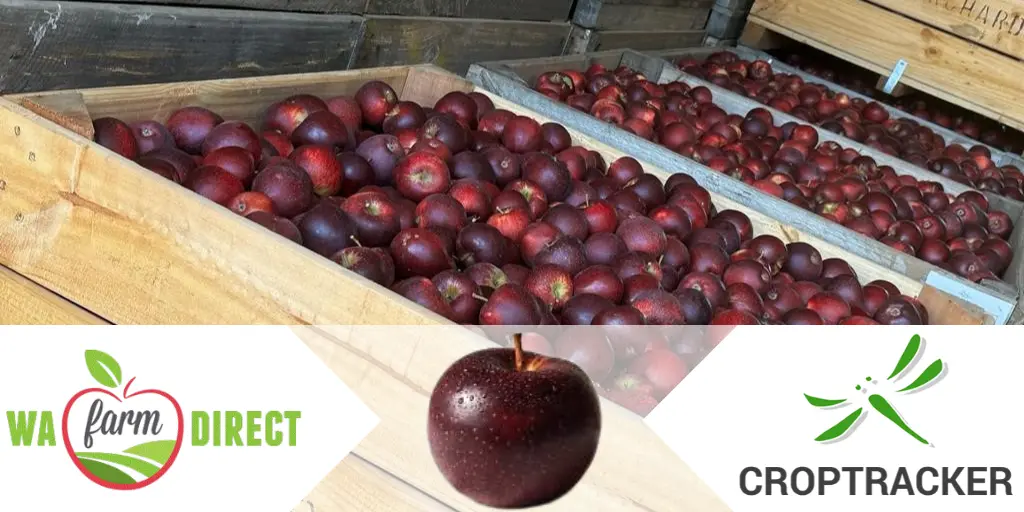
This month’s Customer Spotlight is highlighting WA Farm Direct’s use of Croptracker’s Harvest Quality Vision (HQV) module. We spoke with Rebecca Blackman, Executive Manager of WA Farm Direct about how HQV helps them gain insight into their exclusive management of the ANABP 01 apple variety.
Croptracker customer spotlight: Welsh Bros
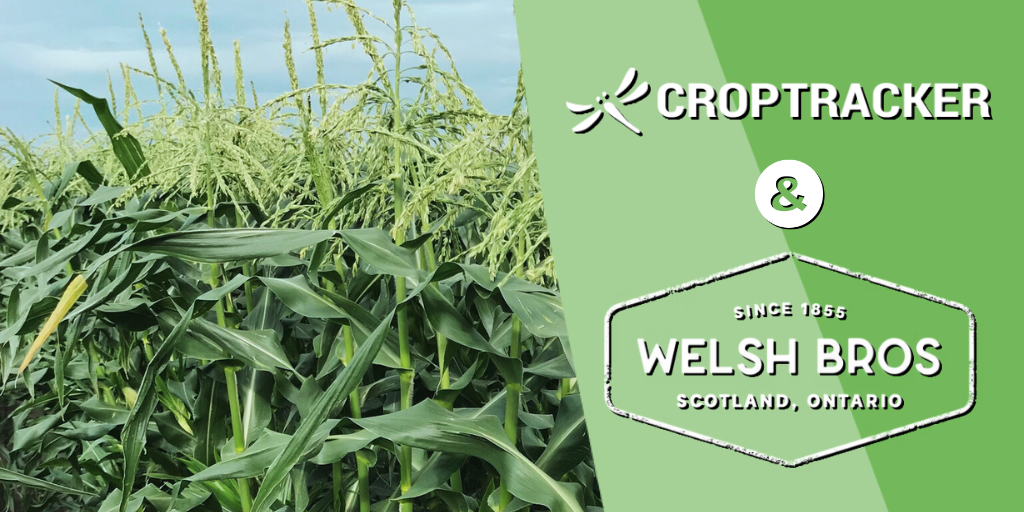
Welsh Bros is a multi-generational family farm that has been working their land outside Scotland, Ontario, for well over 150 years. Stewardship for their land and management of their farm currently fall to the 8th generation, with three Welsh brothers sharing responsibility. For this Croptracker customer spotlight, we spoke with Charles Welsh.
Croptracker feature use case: applying and tracking biologicals in the orchard
Specialty crop growers are in the midst of a long transition period, moving from a historic reliance on synthetic agrochemicals, towards more dynamic approaches like Integrated Pest Management (IPM). Orchardists and apple growers in particular have been at the forefront of this shift, being some of the first to adopt biological treatments like pheromone sprays.
In the apple industry, the move towards biologicals is not just a response to environmental advocacy, but is a calculated adaptation due to an evolving regulatory landscape; a growing consumer demand for “residue free”produce; and increasing agrochemical and fertilizer costs. When used well, IPM strategies, including biological treatments, can help growers reduce traditional treatment costs and increase yield and quality.
This article will detail the types of biologicals most commonly used in apple orchards, the regulations covering their use in Canada, and how Croptracker can help growers make the most of their biological applications.
Croptracker feature use case: block level cost analysis
While whole-farm metrics are necessary for tax season, they often act as a cover, hiding your revenue killers behind your most profitable blocks. The core value of block-level metrics is granularity. It moves you away from generalities and allows you to pinpoint exactly where you are losing money and where your ROI is highest.
Moving from high-level oversight to actionable precision requires a shift in how you capture daily farm data. To help you implement these practices, this article provides a roadmap for tracking the biggest expenses: labor, inputs, and water. We will walk through the essential setup requirements in Croptracker, from block mapping to chemical inventory, and explore the specific workflows and reports that transform raw field data into a clear picture of your true break-even price.
Croptracker Feature Use Case: GS1 and Voice Pick case labeling

As the produce industry continues to evolve, the need for efficient and accurate traceability systems has become more pressing than ever. One crucial aspect of achieving this goal is labeling interoperability and proper formatting. In this week’s blog, we will talk about generating labels in Croptracker for products and pallets that support product industry traceability standards and efficient packed inventory management including adding a voice pick code. We'll explore the best practices labeling produce, for generating voice pick codes and ensuring seamless communication between different systems and stakeholders in the supply chain.
Croptracker feature use case: mixed variety product traceability
Speciality fruit and vegetable growers and packers are facing pressure from all sides. In an increasingly consolidated market with steep labor and input costs, it can be difficult to gain any competitive advantage.
One of the strategies produce marketers have gone to more in the past few years is specialty, mixed variety packaging. A unique or curated mix of produce can be a key differentiator in a crowded market. A producer can brand a special "garden salad mix" or a "heirloom tomato medley" to attract consumers and potentially command a higher price point.
In this Croptracker use case blog we will outline how growers can maintain traceability requirements and productivity while creating mixed variety packed products in the field, greenhouse or from storage.
Croptracker feature use case: organic buffer zone mapping
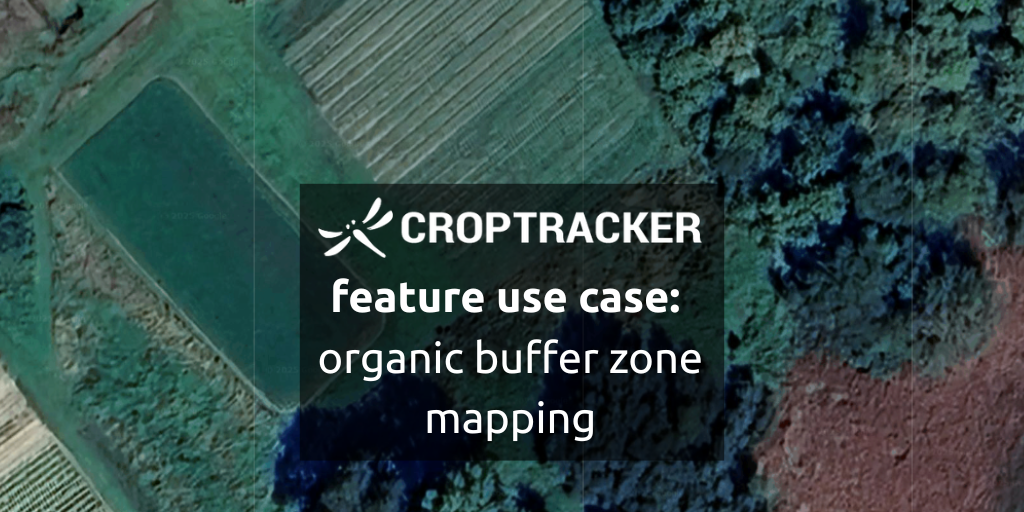
In the world of organic horticulture, a map is far more than a simple drawing of a field, it is a foundational legal and operational document. Whether you are a long-standing organic producer, a grower navigating the transition period, or managing a mixed operation with both organic and conventional plots, boundary mapping is the primary tool used to safeguard the integrity of your crops. This use case article will highlight the importance of boundary and buffer zone mapping and how our users do this in Croptracker today using the Field Map.
Croptracker feature use case: Plant inspections
Driven by customer feedback, Croptracker recently developed a workflow to handle a new and significant requirement: building a full inventory of hundreds of thousands of trees on a newly acquired orchard and continuously recording their long-term health and performance. To make this goal possible, Croptracker added a new Plant Inspection workflow using our Quality Control and Field Map modules.
Croptracker feature use case: protecting profit with picker defect and productivity monitoring
For most fresh produce growers right now, the pressure to protect already slim profit margins is high. In apples in particular, overproduction and staggering labour costs mean that no path to revenue protection can be ignored. One of the avenues our growers are increasingly headed down to help secure their profit is closer picker quality management.
With the risks of improperly handled harvest so high, the time spent training, monitoring and correcting picker performance is worth it. In this use case article, we will detail the why and how of defect monitoring at harvest for better post harvest management, higher pack-out rates and ultimately more return to the grower.
Croptracker Feature Use Case: Punch Clock Kiosk User

The Punch Clock Kiosk subscription is an add-on subscription to Croptracker’s Punch Clock module that allows for a dedicated Kiosk device and login that only displays the Kiosk Punch-in screen. This allows workers to quickly and easily badge in and out of their shifts themselves.
Croptracker Feature Use Case: Recording Employee Leave Time

In this short feature use case article, we will be discussing when and how to use Croptracker’s Punch Clock module to record unpaid leave time for employees. Farmers have ever increasing demands for documenting labor and employee information across many jurisdictions. Being able to prove to labor regulation bodies that workers are given the appropriate accommodations and rules are followed is crucial to avoid heavy fines and penalties.
Croptracker Feature Use Case: Seamless MRL Compliance and Global Market Access

Navigating the Global Produce Market: The MRL Challenge
In today's interconnected world, agricultural producers face a complex web of regulations, few more critical than Maximum Residue Limits (MRLs). These limits define the maximum permissible levels of pesticide residues on food products, set by importing countries to safeguard consumer health. The allowable chemicals, best practices and consumer perceptions are constantly shifting. While MRLs are essential for food safety, their global variations and frequent changes create significant hurdles for growers, packers, and shippers.
Croptracker Feature Use Case: Speed Scanning for Berry Harvest

In this Croptracker Use Case blog, we will go over the in-field inventory and labour tracking features that help berry growers create inventory and pay records on the go. We will go through how Croptracker’s Field Pack module is designed to keep pace with harvest by integrating barcode scanning, offline piece tracking and custom product tagging. This is part two in a series on berry harvesting. To read part one where we detail some of the unique challenges facing berry growers, click here.
Croptracker feature use case: spray planning
With the ground still frozen near Croptracker’s home office, growers in the northern hemisphere are already deep in planning for the upcoming season. For specialty crop growers in particular, this period requires careful and strategic thinking to protect precarious profit margins from a perfect storm of challenges, including uncertain trade markets, persistent labour shortages, and increasing climate pressures. Every decision, especially concerning input costs, must be optimized for efficiency and compliance.
Request your free private demo now!
Let our expert staff walk you through the Croptracker system, and answer any questions you have.
We are here to help.