
Compliance & Food Safety
Paths to alleviate audit and decision fatigue for growers
One of the most common reasons we hear from our customers on why they are seeking farm management software is to help them with audits. In the fresh produce industry, an audit is essentially a pass/fail examination of a farm or packinghouse's written plan and the physical evidence that the plan is being consistently implemented to ensure safe and compliant products.
CanadaGAP Recognized by GFSI's Latest Version

The Global Food Safety Initiative (GFSI) has officially recognized fresh produce safety programme CanadaGAP® against its most recent Version 7.1 benchmarking requirements.
FSMA 204 Compliance for Growers: Your Traceability Roadmap to the 2028 Deadline
The FSMA 204 Food Traceability Final Rule is FDA's recordkeeping rule for foods on its Food Traceability List — including most fresh-cut produce, melons, leafy greens, tomatoes, cucumbers, sprouts, and fresh herbs. It requires covered companies to capture records at specific supply-chain events, assign traceability lot codes, and produce complete traceability data to FDA within 24 hours of a request.
If you grow, pack, ship, or receive any of those commodities, the rule applies to your operation. And even though the enforcement date moved to 2028, the clock on your preparation window is already running.
Here's where things stand as of October 2026, what the rule actually requires at each stage of your workflow, and how to close the gap before it matters — because your retail buyers aren't waiting for FDA to ask.
Global Food Safety Initiative 2023

This week the Global Food Safety Initiative’s annual conference met in Atlanta. With more than 800 delegates from 50 countries, this conference brings together food safety experts from around the world. This conference’s theme: Delivering Safe Food in Turbulent Times: The Need for Agility & Resilience centered around how climate change, global political instability, and supply chain disruptions have affected access to safe food.
New USDA GAP Assistance Program Comes Into Effect

Today marks the beginning of a new federal GAP Assistance
program for USA growers. Starting January 2nd, $3.7
million of assistance will be provided to cover costs of undergoing voluntary U.S. Department of
Agriculture (USDA) Harmonized Good Agricultural Practices
(GAP) audits. As recognized in the program
announcement, a food safety audit is an important aspect of
any farm marketing plan. As well as enhancing consumer
safety, audits expand the number of market options available
to the farm.
Organic Farming: Navigating Legislation
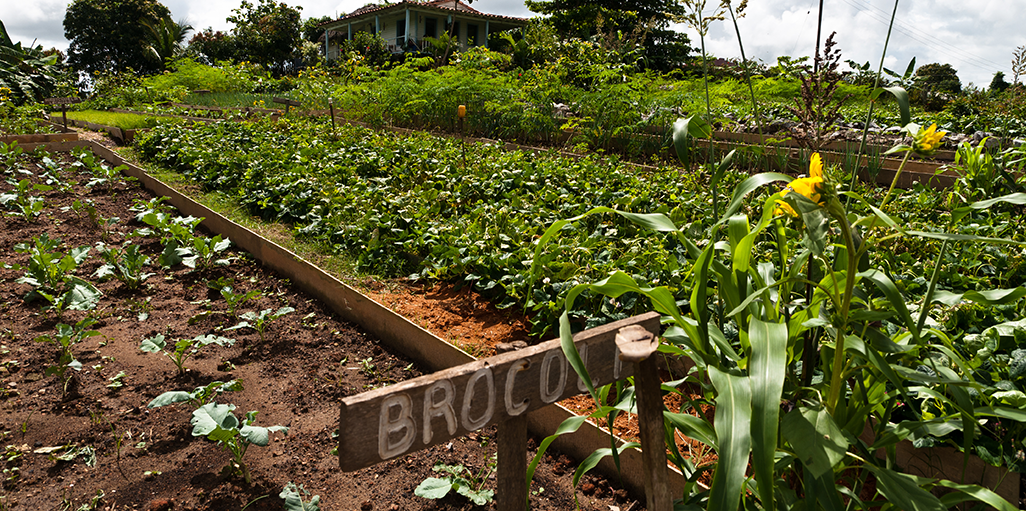
Organic farming must adhere to the regulations and standards in your region as well as where your produce may be exported. Oftentimes organic standards will consist of production practice standards and permitted substances lists, and applicants must adhere to these standards for three years before selling their produce as “organic”. Organic record keeping must be maintained to prove no prohibited substances were used on the land or crops; production plans or organic system plans also required by certification bodies can include input documentation, seed sources, a five-year history, harvest records, and more. Where do these guidelines stem from, and how does it look in practice?
Piece Rate Tracking for Harvest: Productivity, Compliance & Profitability
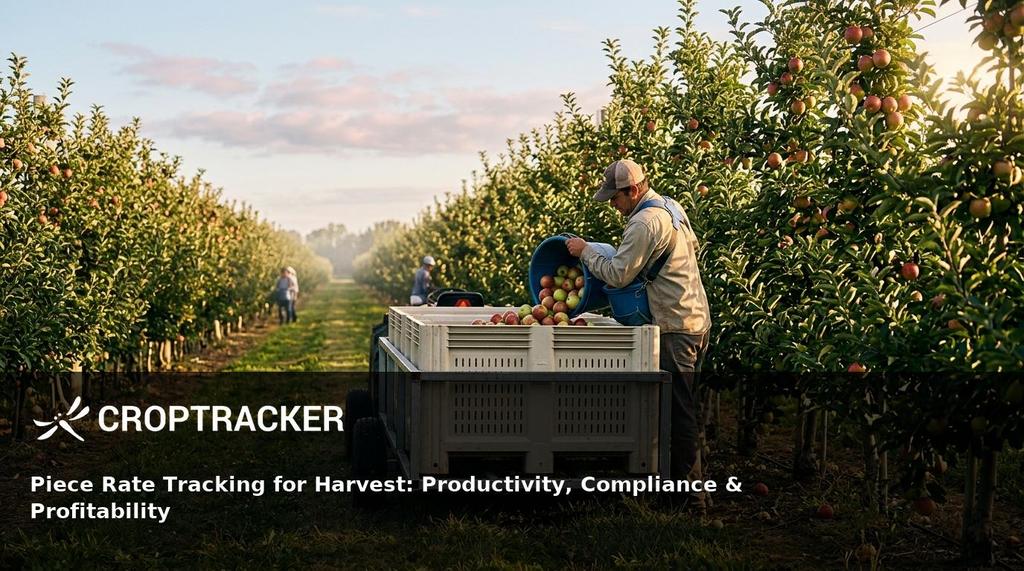
Harvest is likely the single largest expense on your farm. Labor accounts for roughly 40 to 42 percent of production expenses for specialty crops, according to the 2022 Census of Agriculture and USDA ERS data, depending on your crop and region. When that kind of money is riding on every bucket, every bin, and every bushel, you need a clear line of sight into what each picker is doing and what it costs.
Recalls and Romaine: What Growers Can Learn From Lettuce Recalls

Recall is a scary word for both farmers and consumers. Fears of getting sick can keep consumers from buying certain products after recall news goes public. Farmers and distributors have to worry about product and profit losses which could greatly impact their businesses. Recent, widespread, and frequent, recall news is pushing issues of food safety and traceability to the forefront.
Romaine Recall Update: Feedlot Runoff Likely Cause of 2019 Outbreak
When E. coli wreaked havoc on romaine lettuce production and consumption last fall, the investigation of the outbreaks by the FDA determined three likely sources in the Salinas Valley growing region in California. During the initial period of mitigating harm when fewer answers were available, we wrote about how the production of lettuce in the Salinas Valley was halted, how Wisconsin was hit with dozens of E. coli related illness linked to pre-cut romaine, and how the FDA was reviewing hundreds of distribution records to ensure specifics were determined. Recently released findings from this investigation include details on probable causation and the result of traceback efforts.
The Food Safety Modernization Act (FSMA) & Its Effect On Canadian Business

If you process, grow, or sell food in Canada you have likely heard the commotion across the border about the FDA’s newly introduced Food Safety Modernization Act (FSMA).
The Future of Irrigation Safety Regulations

Recent foodborne illness outbreaks traced to tainted irrigation water have left the global horticulture industry reeling. In regions where growers subject their farms to voluntary safety checks, cases have sadly still arose where pathogens have contaminated food and causing high-profile health scares.
The Mock Recall Report: Our Most Powerful Traceability Tool

The mock recall report is the perfect tool to prepare you for auditing season.
The Produce Safety Rule Exemptions & Variances

Food safety standards in the U.S. have remained the same for a long time, but changes are finally being implemented for the first time in over 70 years.
Traceability a Major Focus of Canada's New Food Safety Regulations
This week the Canadian government published what the Canadian Produce Marketing Association calls the most significant overhaul of food safety regulations in the nation's history. Effective January 15, 2019, the new "Safe Food for Canadians Regulations" address food safety and traceability and will have several ramifications for Canadian growers and processors. One of the collective goals of the update is to ensure faster recalls and prevent the spread of food-borne illnesses. The announcement comes in the wake of this year's deadly U.S. outbreak of E. coli; which has ignited grower, legislative, and consumer concerns about the efficacy of food safety measures.
U.S. Produce Farmers and The Food Safety Modernization Act

Since the Food Safety Modernization Act was confirmed in 2011, companies have begun making changes in their business processes that align with these new laws.
Unprecedented Apple Pathogen Can Survive Pasteurization

Research at Cornell University has uncovered a new apple disease. Paecilomyces rot is caused by infection by the Paecilomyces niveus mold. While it looks similar to other postharvest apple diseases (like blue rot, apple ring rot, bull’s-eye rot, black rot and bitter rot) and produces the same harmful patulin toxin, Paecilomyces rot is unique and especially pervasive for the fact it can survive high temperatures. Therefore, human exposure to patulin can occur even from pasteurized apple products - like juices and syrups - made from Paecilomyces niveus-infected apples.
USDA Announces New Cannabis Growing Regulations

In 2018, The Agricultural Improvement Act called for the removal of hemp, cannabis sativa with a THC level of 0.3%, from the schedule one classification to allow for easier agricultural production. Hemp is an extremely versatile crop that is used to make food, oils, animal feed and fibres/textiles.
USDA Announces New Cannabis Growing Regulations: Update 2020
In 2018, The Agricultural Improvement Act called for the removal of hemp, cannabis sativa with a THC level of 0.3%, from the schedule one classification to allow for easier agricultural production. Hemp is an extremely versatile crop that is used to make food, oils, animal feed and fibres/textiles.
Request your free private demo now!
Let our expert staff walk you through the Croptracker system, and answer any questions you have.
We are here to help.