
Field Operations
5 Ways to Fight Fertilizer Costs in 2023

Fertilizers are a crucial input in modern agriculture, where profit margins may be slim and maximizing yield is critical. But the rising cost of fertilizers over the last few years, particularly potash, has made it difficult for farmers to maintain optimal nutrient levels in their soil while also ensuring high-quality crops with high yields.
9 ways to improve your farm's wildfire resilience

Every year, wildfires wreak havoc on farms, causing extensive damage to crops, livestock, and infrastructure. With the increasing frequency and intensity of wildfires over the last decade, many farmers are embracing wildfire-resilient agricultural practices to mitigate risk and losses. By taking proactive measures, farmers can minimize the risks associated with fires and protect their livelihoods in the event of an emergency. In this article, we will take a look at some key strategies and practices that farmers can implement to enhance their wildfire resilience and safeguard their farms.
Apple Thinning: Crop Load Benefits and Target Setting
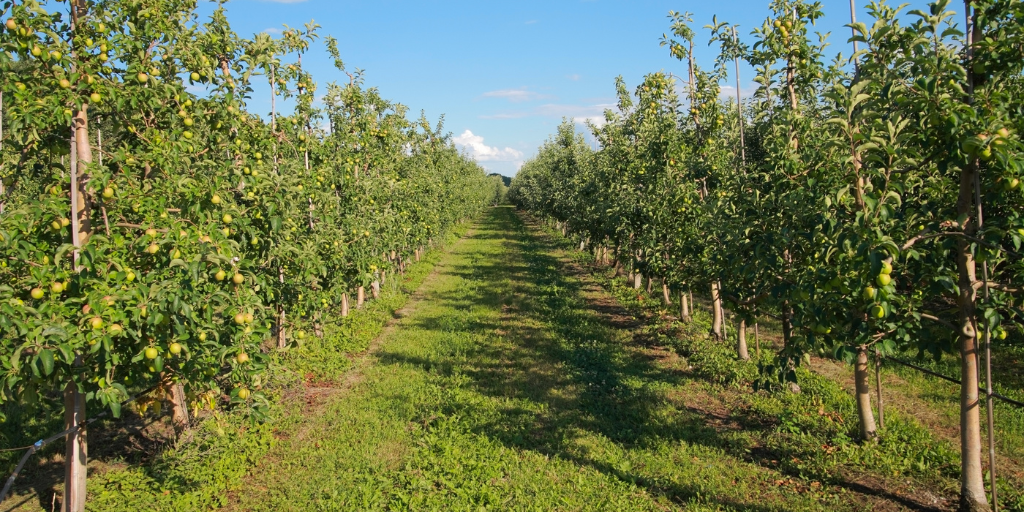
This article is part 1 in a 4 part series exploring apple thinning techniques and tools. This first part will cover the benefits of thinning as well as the main methods for setting targets to achieve when thinning. The following articles will get into the specifics of mechanical thinning, manual thinning and chemical thinning practices.
Apple Thinning: Mechanical Thinning Techniques and Tools

This article is part 2/4 in our Apple Thinning series and will cover mechanical thinning processes, advantages and disadvantages, and the tools most commonly used.
Bees Develop 'Addiction' to Pesticides

British researchers claim that the risk of pesticide-contaminated nectar entering bee colonies is higher than previously expected - because bees are prone to becoming "addicted" to pesticide-laced food. The study compares this to a nicotine addiction in smokers, as the more bees consume pesticides, the more they appear to crave them.
Croptracker Excited to Showcase Crop Load Vision and More at Fruit Logistica 2024

We're thrilled to announce that Croptracker, a leading provider of farm management software, will be showcasing its cutting-edge solutions at this year's Fruit Logistica event located in Berlin from February 7-9. Fruit Logistica is a premier international trade fair for the global fruit and vegetable industry, and Croptracker is geared up to bring its latest innovations to the forefront of this prestigious gathering.
Drone Technology In Agriculture

The use of drones in almost every sector of the economy is growing fast, but drone usage in the agricultural industry is booming. According to some reports, the agricultural drone market is expected to grow from a $1.2 billion(USD) industry in 2019 to $4.8 billion in 2024. From scouting to security, drone use will become more ubiquitous on large and small scale farms in a few short years. The information gathered by drones on farms is often used to better inform agronomic decisions and is part of a system generally referred to as ‘precision agriculture’.
Effects of Planting Density & Tree Shape on Orchard Performance

A Cornell University study that researchers began in 1997 has finally reached maturity - and it has a lot to say about how planting densities and tree shapes affect apple orchard yield and performance.
Exciting Implications of Century-Long Soil Study

World Soil Day falls on December 7th and it has the importance of soil as a lifeblood of horticulture and the planet on our minds. In this week's blog post we look at a monumental 100 year-long study into soil health, and the promising findings it's made regarding how growers can improve their soil health and yields, and how organic growers in particular can match conventional yields. We'll also look at how the study has highlighted the need to bridge the gap between scientific studies and practical application. Finally, we'll discuss how Croptracker helps growers conduct their own longitudinal studies, helping them get the most out of experimental trials and make more informed decisions for their operations.
Gauges and Guides for Precision Crop Load Management

Over the last few weeks, we’ve taken a look at crop load management, from the basics to the scientific models behind the development of precision crop load growth calculations. While crop load management is one of the most difficult aspects of growing, it is without a doubt a critical step in planning and maximizing yield and profit. In the third installment in our series on precision crop load management, we’re highlighting some of the tools and decision aids growers can use when hand thinning in the orchard.
Growth Models Guide Precision Thinning
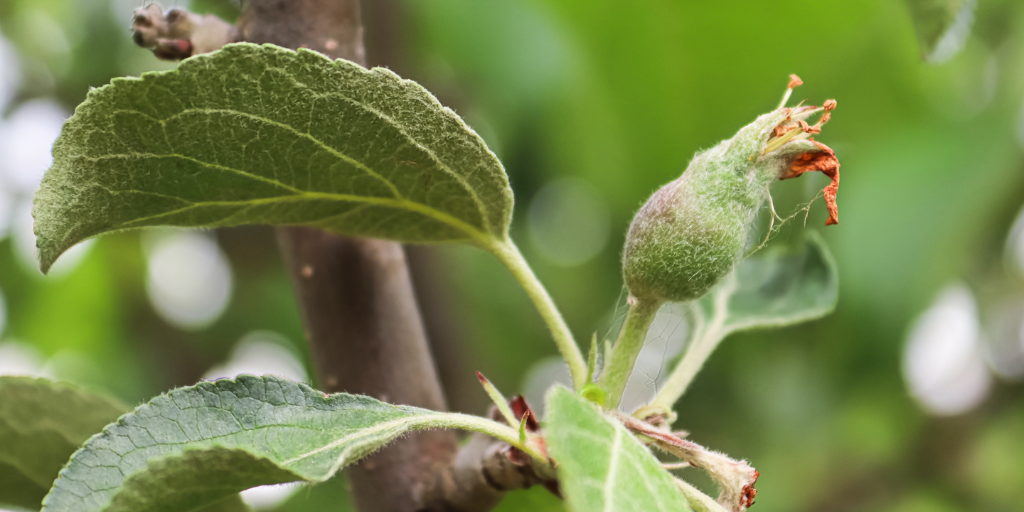
Last week we introduced the concept of crop load management. Crop load management can be a high-risk high-reward situation for growers. There exists the potential to maximize yield and quality, but there is a lack of concrete information on how. When it comes to pruning and hand thinning, many growers just “have a guy who’s been doing it for years”.
How Pruning Affects Tree Fruit Cold Hardiness

Fall pruning can have long-lasting detrimenal effects on fruit tree cold hardiness. Today's blog post looks at how cold acclimation works, various research findings on how pruning affects cold hardiness, and best practices for growers for minimizing winter damage.
Introduction to Precision Crop Load Management

Welcome to the first part of our series on precision crop load management. Over the next few weeks, we will be taking a close look at methods and models of precision crop load management in orchards. Crop load management is a vast topic, so this week we’re starting with some of the key concepts and terms and introducing the three main methods: Pruning, Chemical Thinning, and Hand Thinning.
IP in the Orchard: How Exclusive Varieties are Changing the Apple Game

Excitement about an apple product launch usually refers to the latest iPhone, but when the Cosmic Crisp apple variety was about to be released in 2019, there was a lot of buzz! The much publicized cosmic crisp is a great case study in how the apple market is changing, and what this means for apple growers.
On Farm Weather Stations in Precision Agriculture

The development of agriculture has always been closely tied to the interpretation and prediction of weather. The first standard rain gauge was developed in 1441 and since then, humans have been attempting to better predict the weather using increasingly advanced tools to protect their crops.
Optimizing Growth: Advantages of Centralized Spray Record Management for Large Agricultural Organizations

Effective spray record-keeping is crucial for growers of any size, but as agricultural operations expand, the importance of comprehensive record-keeping and sharing becomes even more pronounced. Traditionally, farmers have maintained individual spray records for the locations they manage. However, when operations span large geographic areas with multiple farm locations, particularly on an international scale, managing spray records can quickly become overwhelming. Ensuring visibility and accessibility to records across all farms is essential for upholding food and worker safety standards and meeting export requirements for end products. This article explores the advantages of digitizing and centralizing spray recordsdigitizing and centralizing spray recordsdigitizing and centralizing spray records for large fruit and vegetable producers, growing associations, and cooperatives.
Precision in Practice: Exploring the Methods and Challenges of Hand Thinning in Apple Orchards

Maintaining an apple orchard before harvest is a demanding task that needs careful attention and a dedicated team. It involves a lot of work and requires close attention to detail. A hardworking team is essential for the success of the orchard. Hand thinning is important for good fruit quality. Skilled workers remove extra fruits to make sure there is enough space for the remaining ones to grow well. The reliance on manual labor is particularly pronounced in organic orchards, where the avoidance of synthetic chemicals necessitates only manual or mechanical thinning methods. This article will explore some of the methods, tools and challenges involved in hand or manual thinning.
Spotlight on Biopesticides

In today's blog post we look at biopesticides, their benefits and challenges, and why they are becoming increasingly popular among conventional growers as well as organic producers.
Spotlight on Irrigation

Sometimes irrigation feels like an underestimated star of horticulture. While we may not discuss it on this blog as much as we discuss chemical applications or harvests, irrigation is a critical process upon which the farm's success hinges. As growers know, irrigation not only increases yields and fruit size, but lengthens tree and vine life for a variety of fruits and vegetables.
Spotlight on Spray Records

Spray and chemical inventory records are some the most important documents a produce grower can have. As well being a legal requirement in most jurisdictions, they are becoming increasingly sought-after by processors and buyers as a means to verify the safety of a farm's products. Spray records can also provide useful insights that can help growers plan their future operations. When complete with Post-Harvest Interval (PHI) information, they also demonstrate that due diligence was taken and help protect the safety of growers, workers, and consumers.
With the recent widespread media attention on pesticides and incidents of their misuse, growers may wish to investigate new ways of recording their chemical application and inventory information more uniformly and more accessibly. In this blog post we discuss how Croptracker makes keeping accurate, comprehensive, and secure records quick and easy.
Request your free private demo now!
Let our expert staff walk you through the Croptracker system, and answer any questions you have.
We are here to help.