
Industry Trends & Analysis
10 Emerging Innovations in Agtech

With the global population reaching 7.7 billion as of 2019, sustainable farming is taking center stage in the agriculture technologies industry. More focus has been placed by governmental and international bodies to achieve “sustainable intensification” in agriculture. Creating more sustainable farming practices increasingly requires adopting new technologies that help with crop management, pest control, quality control, and integrated disease management.
10 Global Ag-tech Events You Won’t Want To Miss

In planning for 2020, Croptracker has made a wish list of the top agriculture conferences and trade shows we would like to go to. We thought you might like to see this list too. These 10 events span a wide range of agricultural markets and industries from around the world, so chances are you will find an event for you. This list is in chronological order.
20 years of Croptracker: An interview with CEO and Founder, Matt Deir

We are very pleased to announce that 2026 will mark Croptracker’s 20th anniversary! To kick off celebrating and reflecting on this big milestone, our marketing team has interviewed Croptracker’s CEO and Founder, Matt Deir. Read on to find out more about how Croptracker started and where we are headed in the future.
2020 Crop Disease Management: Reduce the Risk

Disease management requires staying one step ahead of bacterial and viral threats. The 2020 growing season poses many risks to globally significant produce – your best defence against the changing face of crop disease is staying informed by the latest research and being equipped comprehensive organizational data on your produce. Below are some of the most topical diseases for major crops like citrus, bananas, tomatoes, potatoes and apples.
Agtech solutions roundup: tech innovations for sustainable and successful growing

New technology solutions continue to enter the agtech market aiming to ease the challenges with sustainable commercial growing. From refining labor needs to reducing reliance on fossil fuels and pesticides, today’s cutting-edge innovations are focused on using resources more efficiently and mindfully. Much like how Croptracker continues to find new ways for farm management to be safer and more profitable, other agtech players aim to close the gap on all things growing, especially as each season offers its surprises.
Check our roundup of recent and upcoming innovations throughout the agtech sector below the fold.
All About AI Vision: Computer Vision in Agtech 2023
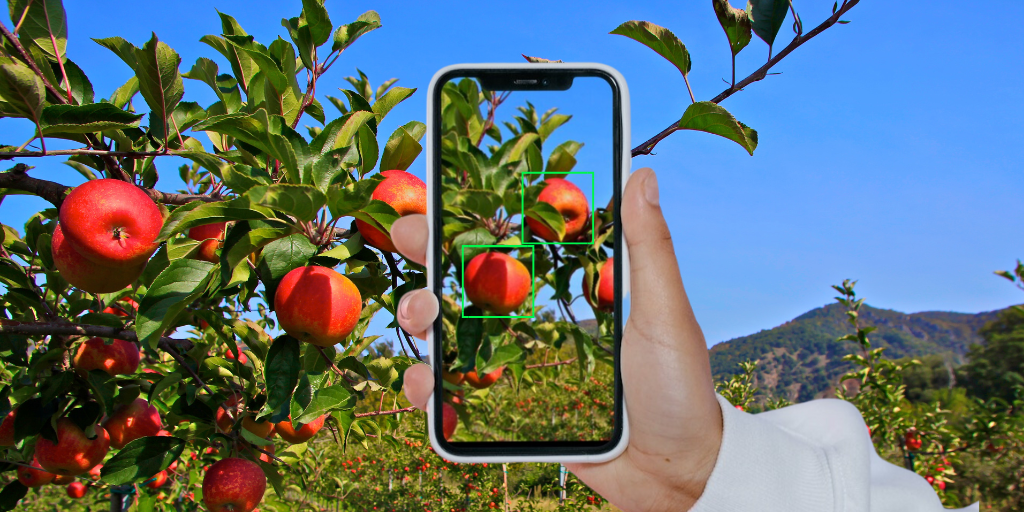
Computer vision may seem simple enough to understand, but below the surface, it is a complex and multidisciplinary field, tied up with a variety of technologies, both old and emerging.
Apps for Farmers

As is the case for any sector, digital tools are available to optimize your workflow and help you stay connected with your fellow industry professionals. Farm management apps offer the potential for optimizations that can boost your business’ stability over time. Producers need to take advantage of every tool at their disposal, particularly with the notion of ‘precision agriculture’ taking hold across the industry as growing challenges shift every season. Weather tracking, soil and pest management, labour and social platforms geared to farmers – we’ve gathered some of the latest tech initiatives and apps for farmers to check out so you don’t have to.
Attracting the Next Generation of Growers

Millennials yearn for careers with purpose. Farming, an incredibly rewarding calling, certainly fits the bill! But Millennials are also a generation with crushing debt anxiety, a need for social connection, and a fondness for instant gratification. Farming, on the other hand, is a career path of significant barriers to entry, social challenges, and delayed reward. As fewer and fewer young people enter the ag/hort sector, the question of how to attract the next generation of food producers becomes more and more pressing. In today’s blog post, we’ll examine the challenges facing young potential entrants, and add to the discussion of how to foster the next generation of growers.
Australian Consumers Undaunted in Face of Food Terrorism

Last week, on the eve of Australia's berry season, a vicious wave of food terrorism struck the country. One man was hospitalized and several more narrowly escaped injury from eating strawberries injected with knitting needles.
Barriers and Considerations for Ag-tech Adoption

As an Ag Tech company, Croptracker is keenly aware of the barriers that growers face in adopting new technologies. No matter the ‘ground-breaking’ features and promises from tech companies, the benefits and motivation to spend money and change processes is not clear for many growers. Not all ag tech advancements are created equal and not all are suited for every farm.
Benefits of Remote Sensing Tech on the Farm
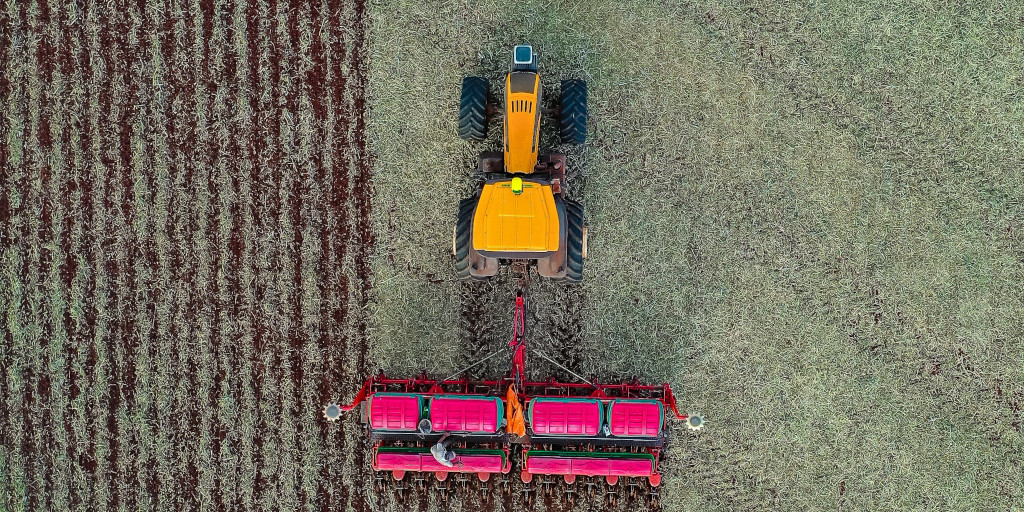
Many Agtech startups use remote sensing technology for a variety of farming applications. The use of drones and airplanes is becoming more common to provide field-level analysis. As is using globally available satellite data for large-scale analysis. Satellite data can also be combined with field information to create a complete picture of what's happening on the ground.
British Chips Shrink in Wake of Extreme Heatwaves

British chips (otherwise known around the world as "fries") were shorter in 2018 after extreme heatwaves left UK crops parched over the summer months. A lighter-than-usual snack may be seem like a superifical issue, but it's indicative of a problem that threatens to bring sweeping changes to the British produce industry and its growers.
Canada's Federal Agriculture Minister Announces New Strategic Priorities Program

Last week the Canadian government announced the Canadian Agriculture Strategic Priorities Program (CASPP). According to federal agriculture minister Lawrence MacAulay, the program's objective is to foster the Canadian agricultural sector’s ability to seize opportunities, respond to new and emerging issues, and to generate solutions in order to remain competitive. CASPP will provide $10 million per year of non-repayable contribution funding and focus on four priority areas: adoption of new technology; environmental sustainability; strategic development and capacity building; and emerging issues.
Cannabis & Industrial Hemp: Testing Procedures

2018 saw major breakthroughs in the Cannabis and Hemp farming industries with the introduction of The Hemp Farming Act in the U.S. and the Bill-C45 Cannabis Act in Canada.
Carbon Capture for Growers

Carbon capture and sequestration (CCS) is a hot topic among growers right now as a promising tool in the fight against climate change. In many ways, agriculture is an industry uniquely positioned to make a real difference with minimal changes to existing processes. In Canada, the Federal government has committed to achieving net-zero carbon emissions by 2050. Globally, the agricultural sector is responsible for 9% of greenhouse gas emissions, but farms and especially orchards have the potential to be used more efficiently to capture and hold carbon.
Challenges and Innovations in Sustainable Agriculture Packaging

The concern for the health of the environment seems to grow larger every day. Waste from packaging is a major contributor to environmental degradation. In agriculture, waste is accrued in every step of the process. The demands of the public and the planet call for dramatic changes in these processes.
Changes coming to Canadian tank mix laws
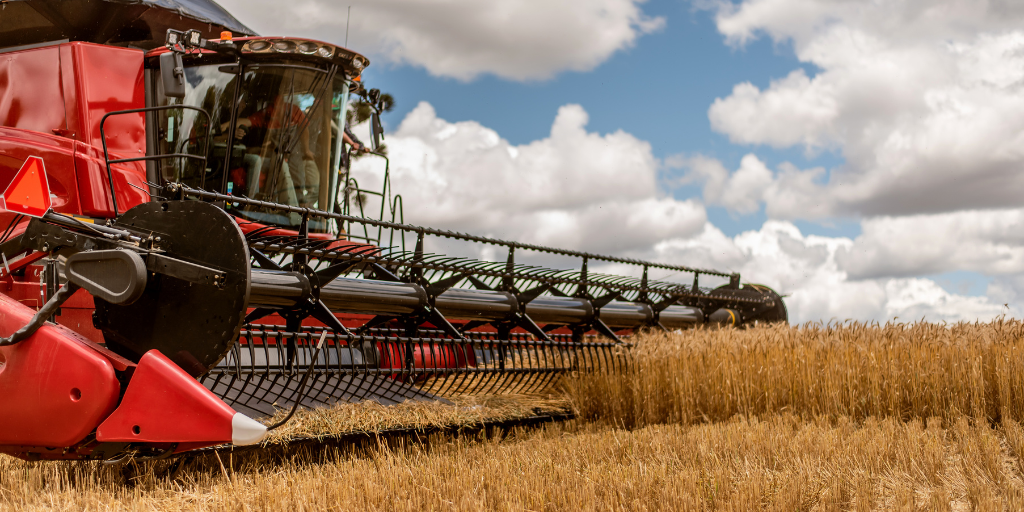
The Pest Management Regulatory Agency (PMRA) is a branch of Health Canada responsible for the registration, evaluation, and sustainable usage of pesticides. A new update to PMRA policy, “PMRA Guidance Document, Tank Mix Labeling” will go into effect at the end of December 2024, with big implications for Canadian spray operators. In this week’s blog, we will go over the basics of tank mixing, the reasoning behind the process, the current regulations governing it, and the forthcoming changes that will shape future implementation.
Chaotic 2020, uncertain 2021... what’s next? Lead fresh market sales with strong data
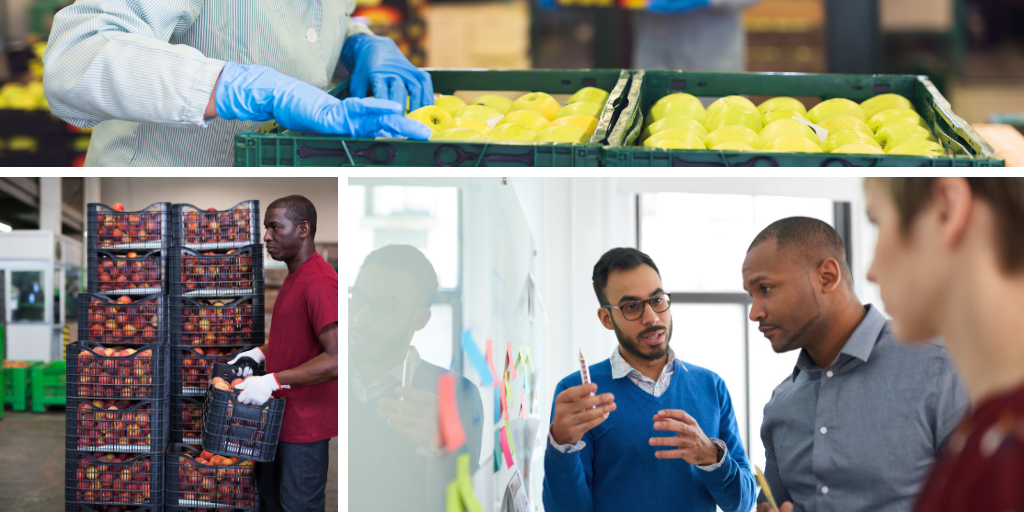
Colliding forces of uncertainty – climate change, COVID19 – hang above food production systems everywhere. And it makes mapping trends of market demand, value, and volumes increasingly more challenging. From this comes the ever-growing need for detailed analysis, to try and glean insights wherever possible along the supply chain, to offer the right irresistible produce for customers. Integrative tools like Harvest Quality Vision and Quality Control enable speedy, data-driven insights. Whether from the orchard, during transport, receiving, storage, to the sales admin stage of the chain, Croptracker’s cutting-edge visualization technology and flexible inspection reporting provide reassurance with precision.
Choosing the Right Crop Management Software

If you're reading this, you're probably already aware of all the benefits a quality crop management software system can bring to your farm. Now, how do you choose the best platform for you and your operation? In today’s blog post we’re going to look at several important factors to look out for while making your decision.
Climate Resistant Crops Expand Global Growing Access
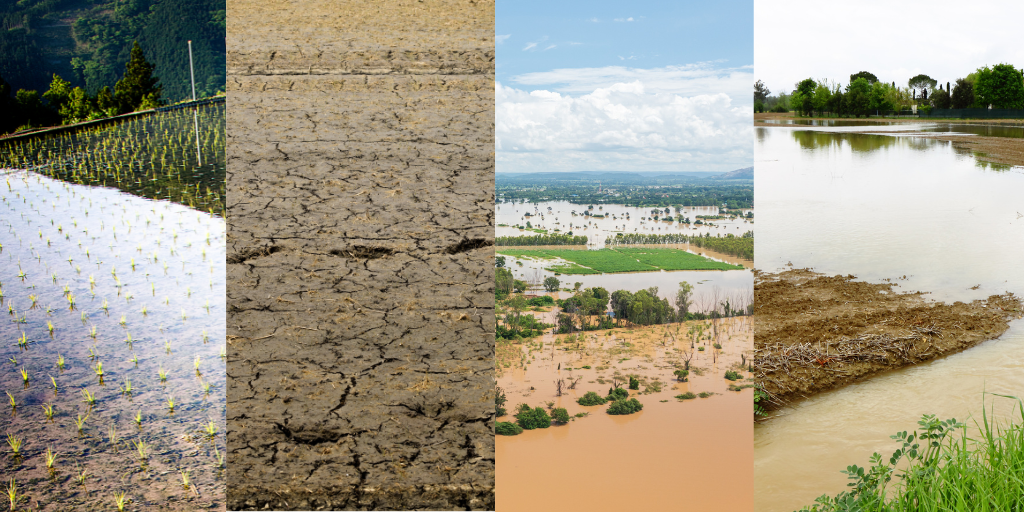
Climate change is ubiquitous in the news these days, and growers worldwide are adopting new technologies, taking new approaches to farming, and seeking resources to help them in a changing environment. The creation of “climate resilient” crop varieties is one way that agricultural scientists hope to address the challenges facing farmers around the globe.
Request your free private demo now!
Let our expert staff walk you through the Croptracker system, and answer any questions you have.
We are here to help.