
Post-Harvest Operations
'Best Before' Date Misconceptions Implicated in Food Waste Crisis

Consumers are largely uneducated on the meaning of 'best before' dates as they relate to fruits and veggies. This confusion is cited as a major cause of a global 680 billion dollar problem, and has prompted the UK's largest grocery chain to make a change.
Apples and Postharvest Handling: All About CA Storage

Apples are one of the most widely consumed fruits in the world, with a global production of over 86 million tons in 2020. However, the process of harvesting, storing, and distributing apples present numerous challenges for growers, packers, and shippers. In this article, we will explore some of the challenges facing apple growers and the technological and operational innovations that are helping to overcome these challenges.
Earlier insights, smarter fruit packing: how can computer visioning technologies improve your packhouse?
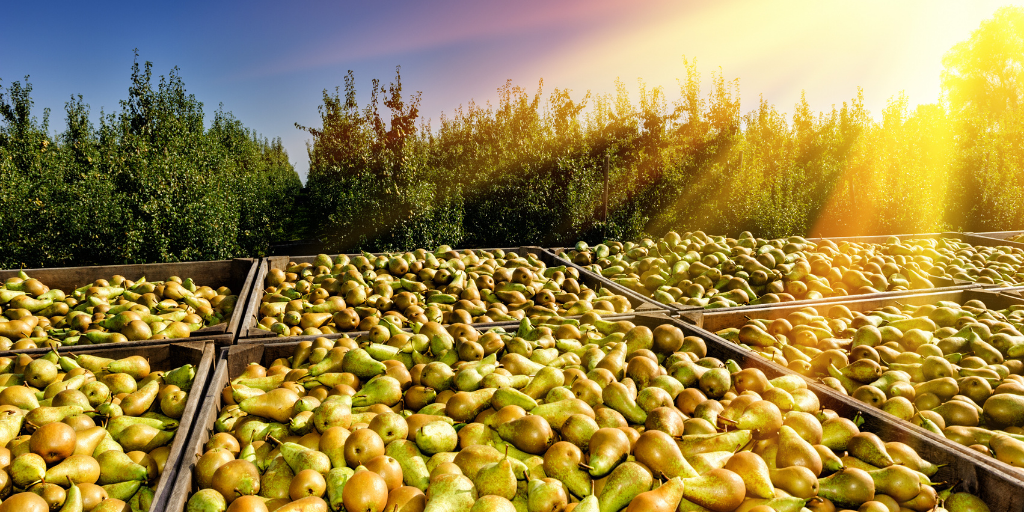
Sorting and packing strategies for fresh fruit markets are always evolving, with any additional time saved in the supply chain leading to efficiency gains and less wastage. Logistical handling of fruit – from the initial point of harvest to its arrival at stores for consumer purchase – varies based on the variety.
Fresh Produce Packlines: Parts, Players and Implementation Tips
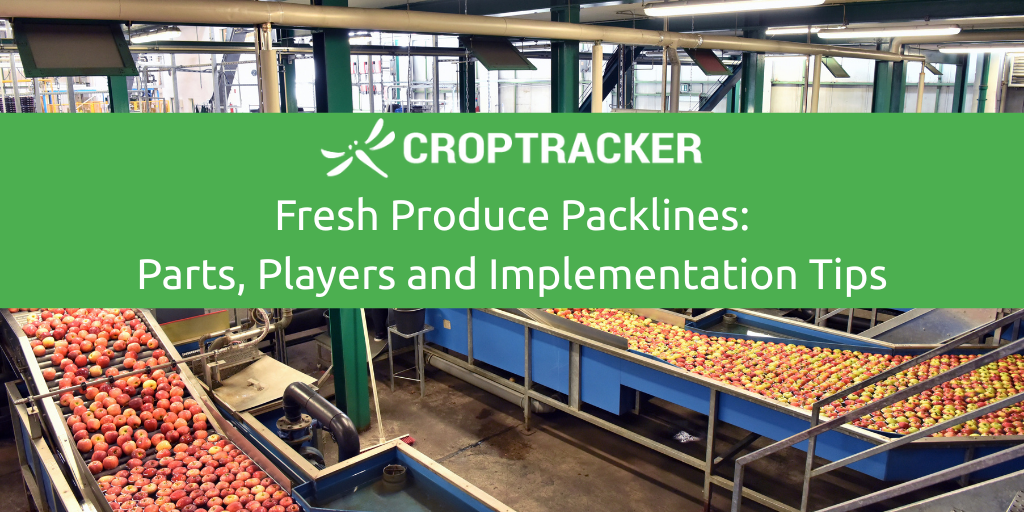
At Croptracker, we work with customers to help optimize their produce packing for traceability, improved logistics and sales and this often involves working with ‘packlines’. In the fresh produce industry, a 'packline' is a dedicated facility or system where harvested fruits and vegetables are processed, sorted, and packed for distribution to consumers.
Packing is a critical step that occurs after the product is picked from the field and before it is shipped to markets, grocery stores, or restaurants. However, not all packing operations are equal, in fact, most are pretty unique and custom built. In this article we take a look at the main components of a produce packline, who are the major players in the industry and explore some of the things to consider when considering implementing or updating a packline.
Groundbreaking 'Cold Lightning' Treatment Eliminates Fruit Mold

Here at Croptracker we're fascinated by other forms of technology that help revolutionize food safety and make growers' work days easier. That's why we're excited to hear about a fledgling innovation from Australia that could possibly make a huge contribution to fruit rot control in the future.
Maximize controlled atmosphere resources with optimized pre-sorting

Controlled atmosphere (CA) storage as it is currently known and utilized is a 20th century innovation, but the fundamentals of how it functions stem from research conducted as early as the early 1800s. Best suited for fruits and vegetables that are climacteric – referring to produce that suitably ripens after being picked due to its emission of ethylene gas – CA storage greatly extends the freshness of a season’s harvest. Maximizing sales and limiting spoilage, CA storage practices enable growers to best participate in global supply chain markets. How can refined post-harvest insights further boost the benefits of investing in high cost storage infrastructure?
Minimize fresh market supply chain hiccups with comprehensive tracking
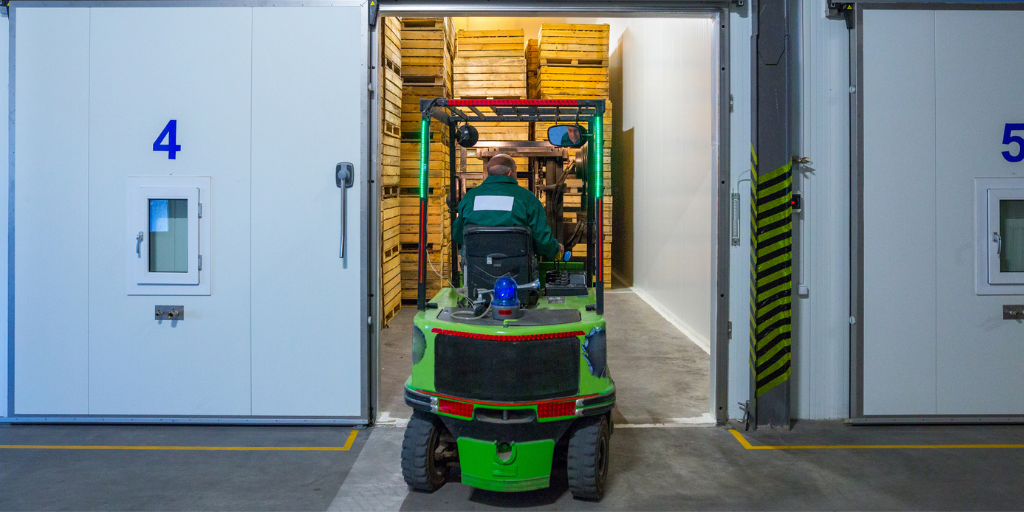
Supply chains are intricate, highly technical systems that, inevitably, are full of predictable stressors – and those lovely surprise (!) issues, too. When it comes to fruit production, growers, pickers, shippers, and work crew managers must sprint against the time trials of the season, before, during, and after harvest. The season waits for no one, so how can fresh fruit supply chain hiccups be soothed, to boost profitability and limit waste?
Packline Thinking: What a Packline Can 'See' and Why it Matters
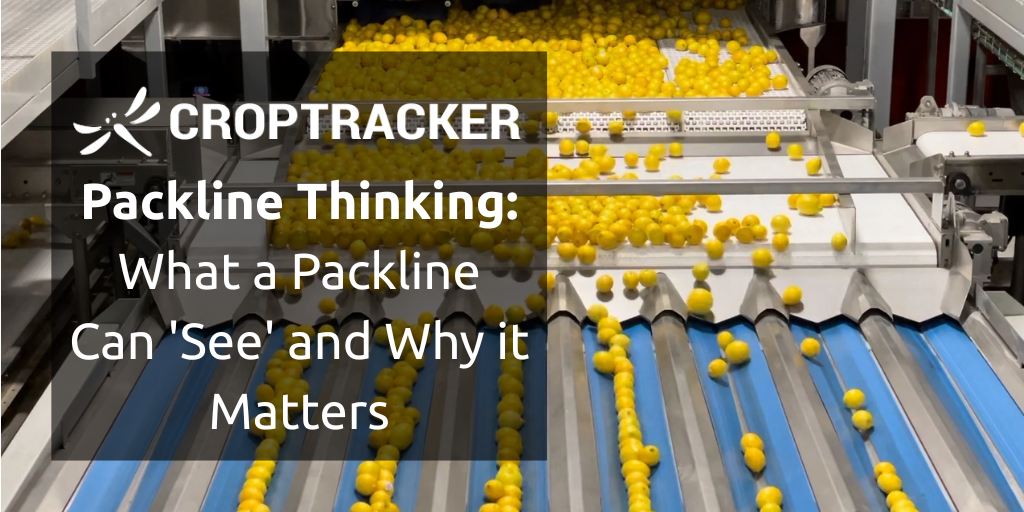
In our previous article, we discussed the external factors that influence fresh produce packing—things like market demands, logistics, and internal quality metrics that the packline cannot "see." But what about the attributes the packline can see?
Packline Thinking: What a Packline Can't 'See'
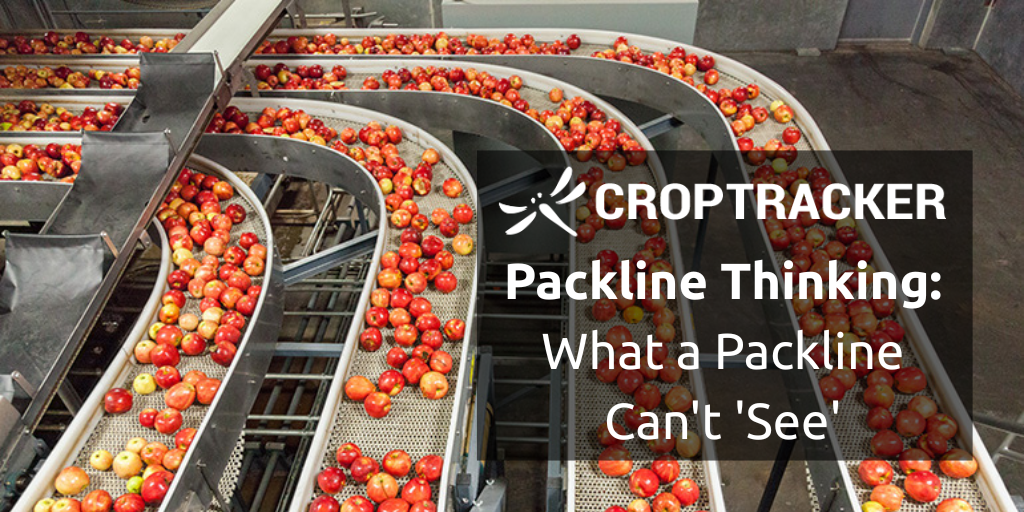
The fresh produce packline is a powerful tool for objective, physical sorting, but it is a reactive instrument. Its settings and operational decisions are a response to a complex web of market forces, business logistics, and quality standards that often exist outside the machine's view.
Post Harvest Biology and Technology

When the hard work of growing is done, effective post harvest handling is vital.
RipeLocker container trial shows promising storage results for blueberries
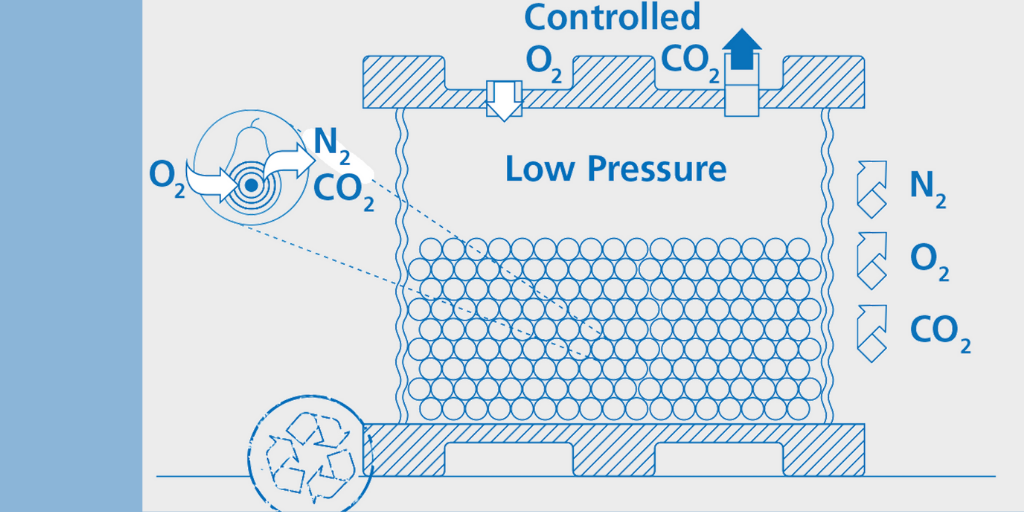
Time sensitivity in fresh market fruit production is a huge hurdle to overcome every season – but storage innovations like those achieved by RipeLocker suggest a cold supply chain future with minimal risk of decay. In partnership with Blueberry Hill, RipeLocker has announced the successful freshness outcome of its eight-week trial of storing blueberries in its containers for shipping and storing perishable goods.
Tackling The $31B Food Loss Problem
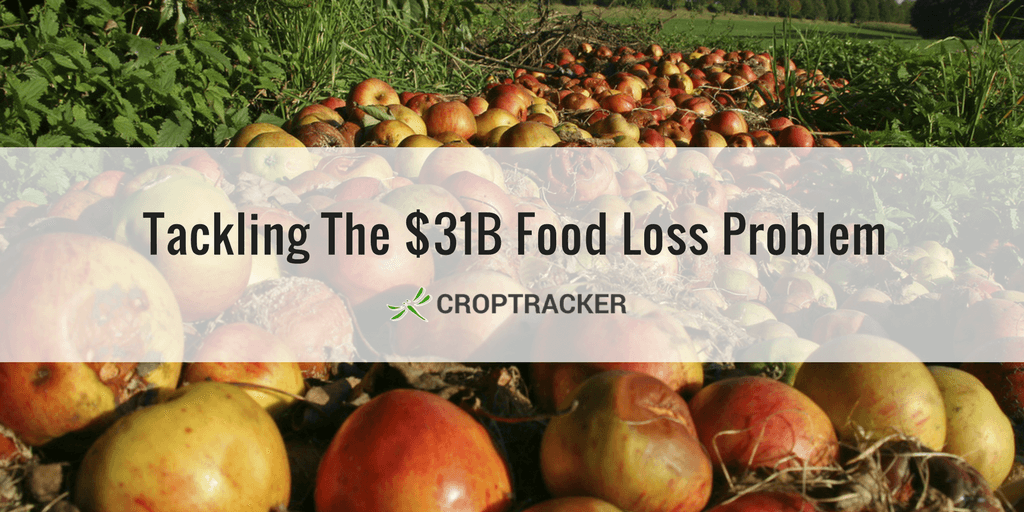
Food loss leaches $31B out of the Canadian food industry alone every year and constitutes a huge global sustainability problem. In the fruit and vegetable industry, between 20-40% of fruit and vegetables gets rejected for cosmetic reasons.
Today we look at how growers use a variety of means - from operations management, to software, to NASA technology - to reduce food loss and make the most of their lower-grade produce.
The Fight Against Food Fraud

One of the biggest issues plaguing the food industry today is food fraud, defined by the CFIA (Canadian Food Inspection Agency) as the “the misrepresentation or adulteration of a product for economic gain”. Far from an honest labelling mistake, those who commit food fraud do so to take advantage of the reputation of quality created by hard-working food producers, and profit off the deception of consumers.
The Race Against Rot: Preventing Food Loss in the Tender Fruit Market
Food loss and waste is a hot-button topic in both the food industry and among consumers. As food costs continue to rise, both growers and retailers are under pressure to reduce food waste wherever possible.
Request your free private demo now!
Let our expert staff walk you through the Croptracker system, and answer any questions you have.
We are here to help.