
Industry Trends & Analysis
Looking to next year: agricultural conference round-up for 2021

Like every industry this year, the conference event sector has had to embrace an elaborate change of plans required to accommodate the safety risks associated with COVID-19. Depending on the particular timing and logistics, agtech and grower conferences originally scheduled for 2020 were cancelled or reworked to online livestreams.
Managing fruit ripening for the fresh market
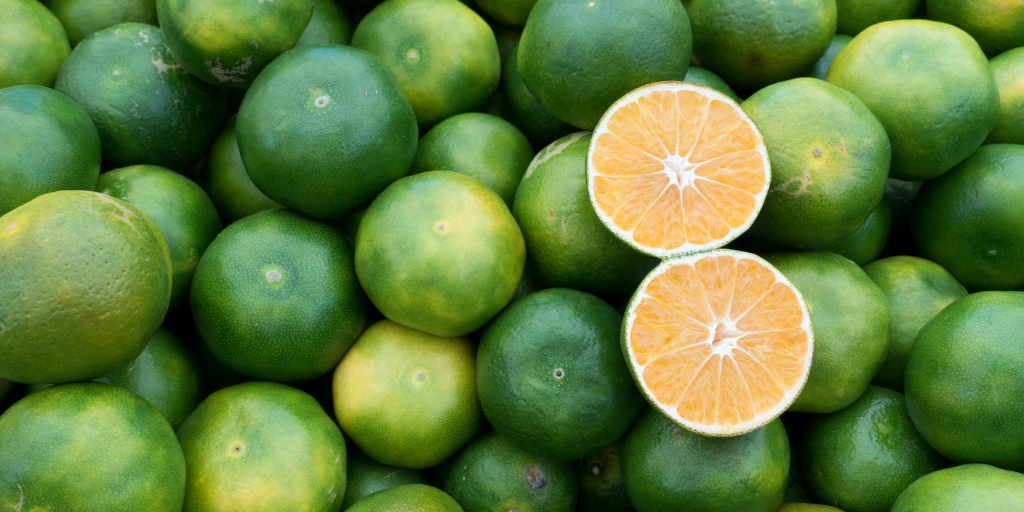
Fresh fruit markets can provide consumers with desirable produce nearly year-round because of the innovations that mitigate and control the ripening process. Different interventions pre- and post-harvest take place according to the unique needs of each fruit type. Croptracker’s farm management and data visualization tools fit into any grower’s workflow to track and gain insights on the details that lead to a higher quality, higher value result.
Microplastics Feared To Be Permeating Agricultural Land

The pollution of the oceans by microplastics has been a trending topic for a while. However, recent research indicates that microplastics are more likely to be found in sewage sludge than in our oceans - and this has concerning implications for the agricultural land on which sewage sludge is used as fertilizer.
Mind the Gap: Rural Connectivity & the Digital Divide

Growers are among those who can benefit the most from technology and high-speed Internet connectivity - but they're the group that's most likely to be left in a digital blackout. In today's blog post we discuss the current state and future of rural connectivity in our home country of Canada and around the world. We also take a first peek at what Croptracker's working on to help offline growers bridge the digital divide.
Mr Apple: A Croptracker Success Story
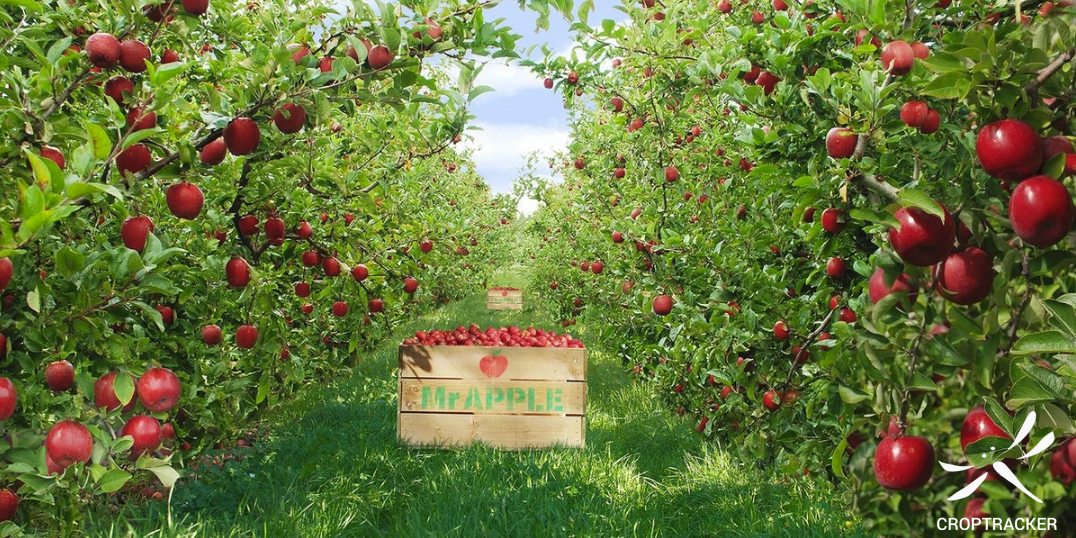
We talk to Mr Apple farm manager Grant Stevenson about his successes using Croptracker, and go over the results of our most recent grower feedback survey.
NAFTA Revamped as USMCA

Canada, Mexico, and the United States said farewell to NAFTA this week and struck a new trilateral free trade agreement.
Natural Habitats Improve Bee Diversity; Apple Production

A Cornell study has found that apple orchards surrounded by natural habitats are visited by a more diverse collection of bee species than those surrounded by agricultural lands. The study found that production improved in orchards surrounded by natural habitats; as apple production suffers when fewer, more closely-related species of bees pollinate an orchard.
Navigating trade tariff uncertainty for fresh produce growers and buyers
The fresh produce industry operates in a complex and delicate ecosystem. Unlike sectors that deal in durable goods, this industry is uniquely vulnerable to the sudden shocks of trade policy shifts due to the perishable nature of its products, strict seasonal cycles, and an intricately woven, globally interconnected supply chain. The threat of a tariff, even if it is never implemented, can be as disruptive as a full-blown trade dispute. The inherent fragility means that a change in trade policy, whether it’s a tariff, a quota, or a new regulation, cannot be easily absorbed without significant risk to growers, buyers, and consumers.
New Canada Food Guide Emphasizes Fruit & Veggie Consumption

The government of Canada presented a dramatic overhaul of their Food Guide this week, encouraging fruit and vegetable consumption while reducing previous guides' emphases on meat and dairy. What are the new dietary recommendations and how much of an impact on Canadians' buying behaviour can fruit and vegetable growers can really expect from the new Guide? Read below to find out in this week's blog post.
North American apple harvests are particularly vulnerable to these threats

Apple orchards have to dodge a wide range of pests and diseases in order to obtain a viable harvest. The 2021 North American apple season has two major concerns on growers’ radars: fire blight, and codling moths. Apples are susceptible to each throughout the season, but particularly during the bloom stage. Research continues on how to best prevent, scout, and treat disease and pests – and best practice strategies are helping growers execute on successful seasons against the odds.
Organic Produce Reaches Highest-Ever Market Share

A market once considered small and niche, organic produce now accounts for 2.6% of global market sales for food and beverage - a large jump from the 1.7% share it held in 2012. These gains are expected to continue, with global organic food and beverages sales slated to reach 323.56 billion USD by 2024.
Organic Vegetable Production Jumped in 2018

The number of farms devoting more than half of its acreage to organic production leapt almost 15 percentage points in 2018, reveals Growing Produce's 2019 State of the Vegetable Industry report.
Pro-Tip: Setting an Event Status

Our top tips from developers, and users like you to help make the most of our software.
Profile, sort, market, sell: tools for sorting by color during harvest
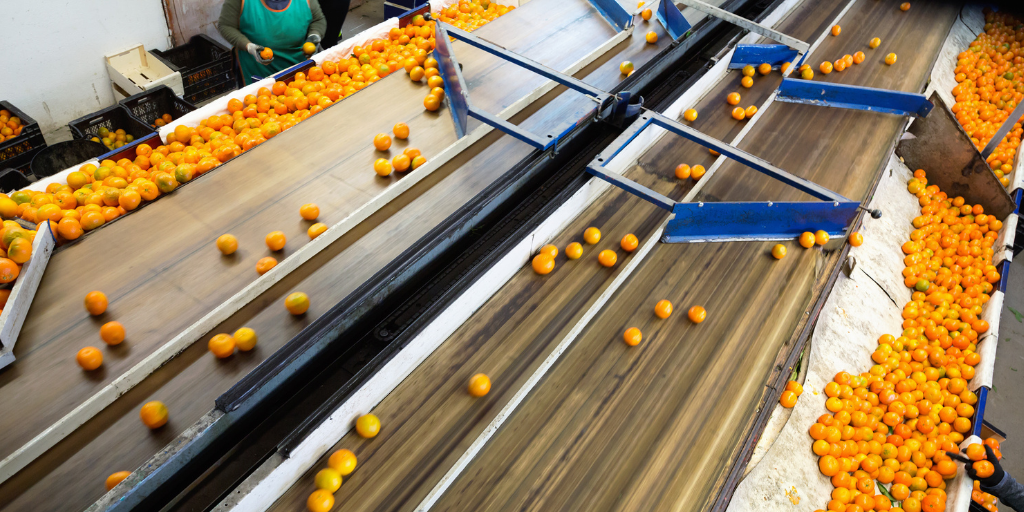
Growers who sell to the fresh market know better than anyone that color matters: accurate classification is the key to quality assurance and integral to success in commercial-scale produce markets. Apart from filtering out obvious disease, color is a primary classifier for selling fruit in graded classes. Contemporary tech solutions compliment the human sorting touch, while speeding up the processing element of harvest. Having the right tools in your QA supply toolkit improves your competitive advantage in the highly time-sensitive world of perishable goods.
Protecting Crops in Summer

Last month, an extreme heatwave broke records and sweltered citizens across Australia. The six days between January 12 and 17 rank within the country's ten hottest days ever, with temperatures soaring to a height of 49.1 degrees Celsius (120 degrees Fahrenheit). The town of Marble Bar in Northwetern Australia suffered 20 consecutive days of above 40 degrees Celsius temperatures.
Blisteringly high temperatures are as rough on plants as they are on us. Kris Werner, head of Dried Tree Fruits Australia, even reported that the heat has been cooking his stonefruit on their branches. "[The fruit] burn on the inside, they become squashy and you can't use them," he told the Australian Broadcasting Corporation. Says Lockyer Valley Growers president Michael Sippel, "Everyone is in survival mode right now, keeping water up to the crops they have and hoping the temperatures will turn."
Of course, Australia's devastating heat conditions are rare. However hot, dry, and sunny conditions of a lesser severity can still cause stress and weaknesses in even the toughest plant. UV radiation can cause sub-lethal injury on leaves and sunburn fruit, which leads to damaged appearance and internal quality. Intense sunlight can cause photosynthesis to slow down or stop, resulting in less manufactured carbohydrates, which can reduce yields and fruit quality. Drought stress will reduce fruit size and stunt growth especially in young trees. In today's blog post, the follow-up to our earlier post Protecting Crops in Winter, we discuss different ways in which growers protect their crops from brutally warm temperatures, sunlight, and drought conditions.
Robotic Technologies In Agriculture

For any sector to thrive, disruptive technologies and innovations must fall into place. In agriculture, farmers constantly seek new ways to increase the yield per acre, and at the same time, deal with rising input costs. Investment and innovation in robotics has been a big focus in agriculture recently, with reports from Wintergreen Research projecting an anticipated $16.3B market size by 2020.
Robotics in Agriculture: Apple Harvesting Solutions
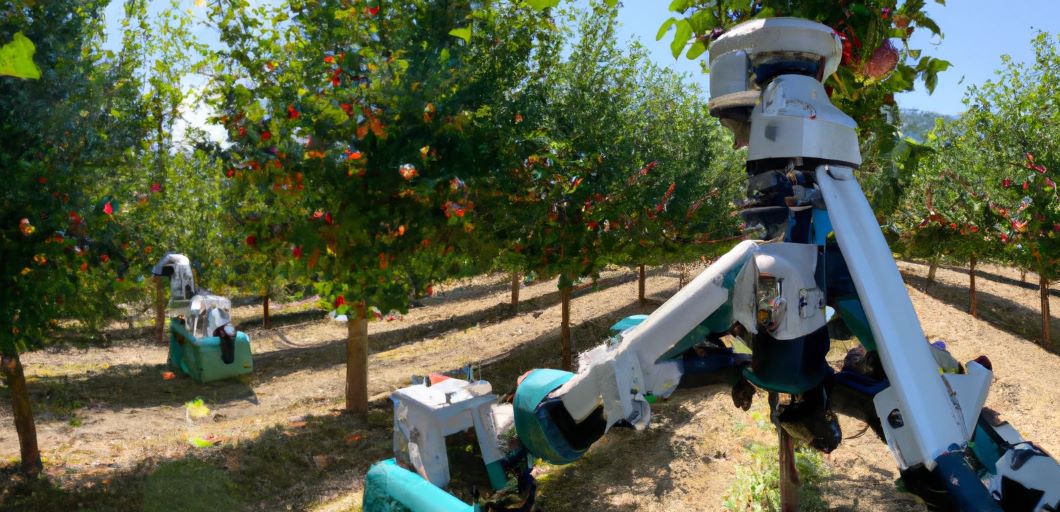
The use of robots is no longer limited to the manufacturing industry. New applications in machine learning and robotics are changing the way fruit is grown and produced. Robotic fruit picking robots are not a new concept, and labor shortages are a perennial problem for fruit growers. There is a large focus on automating some of the more tedious jobs that will help growers get their crop to market.
Rugged Battery Pack Round-Up: ideal for farming!

Long days outside mean you’re going to have to charge up one way or another. Having a weather resistant power source for your work in the field is key to ensuring your data tracking and communications are uninterrupted. We’ve highlighted some currently available portable batteries and power banks of note that aim to pass the test of your day to day needs.
Rural Connectivity Problems & Croptracker's Upcoming Offline Mode

Growers can’t make the most of exciting new ag tools like crop management software without the most basic broadband speeds. However, many growers around the world are still stuck in Internet blackout zones. In today's blog post we discuss the digital divide in 3 different countries, and how Croptracker is working the bridge the gap in spring 2019.
SaaS? ERP? Quick facts about subscription tools for your business

If online tool adoption feels a little overwhelming, that’s understandable. Determining what would be most effective for a growing or distribution operation that’s historically relied upon paper tracking and Excel can be daunting, especially when acronyms are peppered throughout feature descriptions.
Request your free private demo now!
Let our expert staff walk you through the Croptracker system, and answer any questions you have.
We are here to help.