
Harvest & Quality Control
Getting Ready to Harvest with Croptracker (Mobile)

It all comes down to the harvest. Croptracker aims to make this - the most important few weeks of your year - easier to manage, safer for your team, and more profitable by eliminating errors and delays. In this blog post, we go over everything you need to know about harvesting with Croptracker via the mobile app. (See our previous post for how to harvest via the desktop app!)
Growth Models Guide Precision Thinning
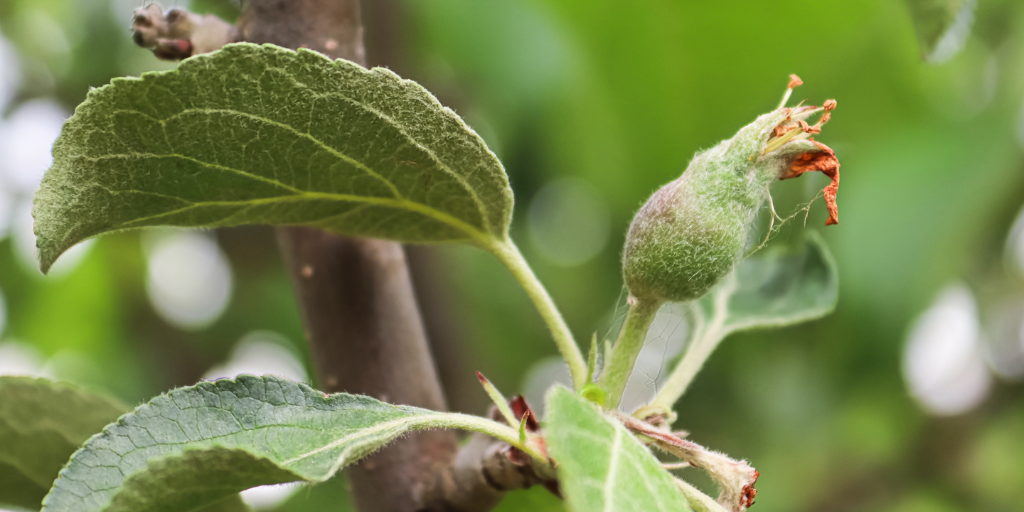
Last week we introduced the concept of crop load management. Crop load management can be a high-risk high-reward situation for growers. There exists the potential to maximize yield and quality, but there is a lack of concrete information on how. When it comes to pruning and hand thinning, many growers just “have a guy who’s been doing it for years”.
Harvest Bin Tagging for Traceability
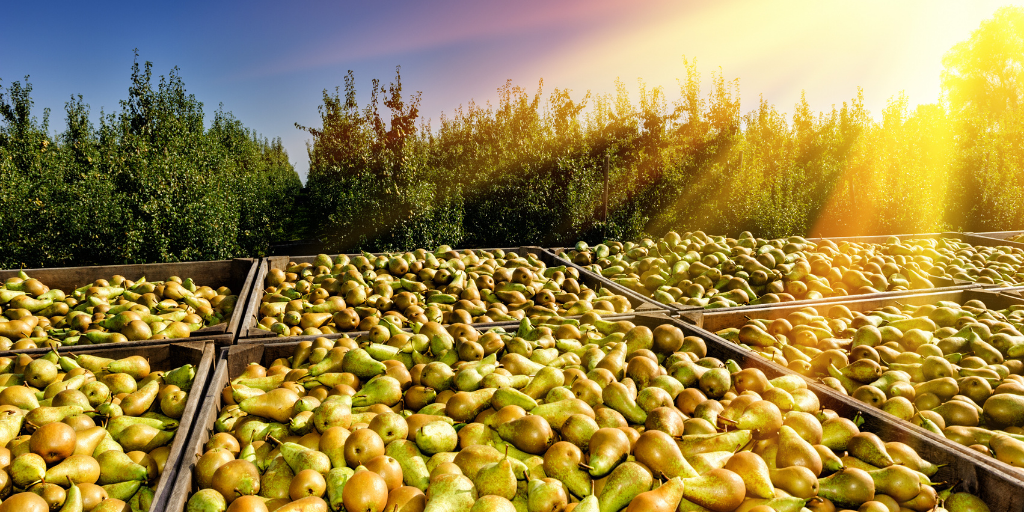
It’s a new year, and while harvest time has wrapped up here in North America it is still underway in the southern hemisphere. Every year we get feedback from hundreds of growers worldwide about their need for harvest traceability, but who are also desperate to simplify their data collection process during the busiest time of year.
Harvest Estimates vs Harvest Yield Tracking

Avoid a math headache, Croptracker has your back
Here at Croptracker, we understand that growers are in agriculture to grow high quality crops and make sure they get to market. We also understand that knowing more about your fields and orchards allows you to get the money you deserve in the current economic market.
Harvest Quality Vision 3.0: Harvest in Full Swing
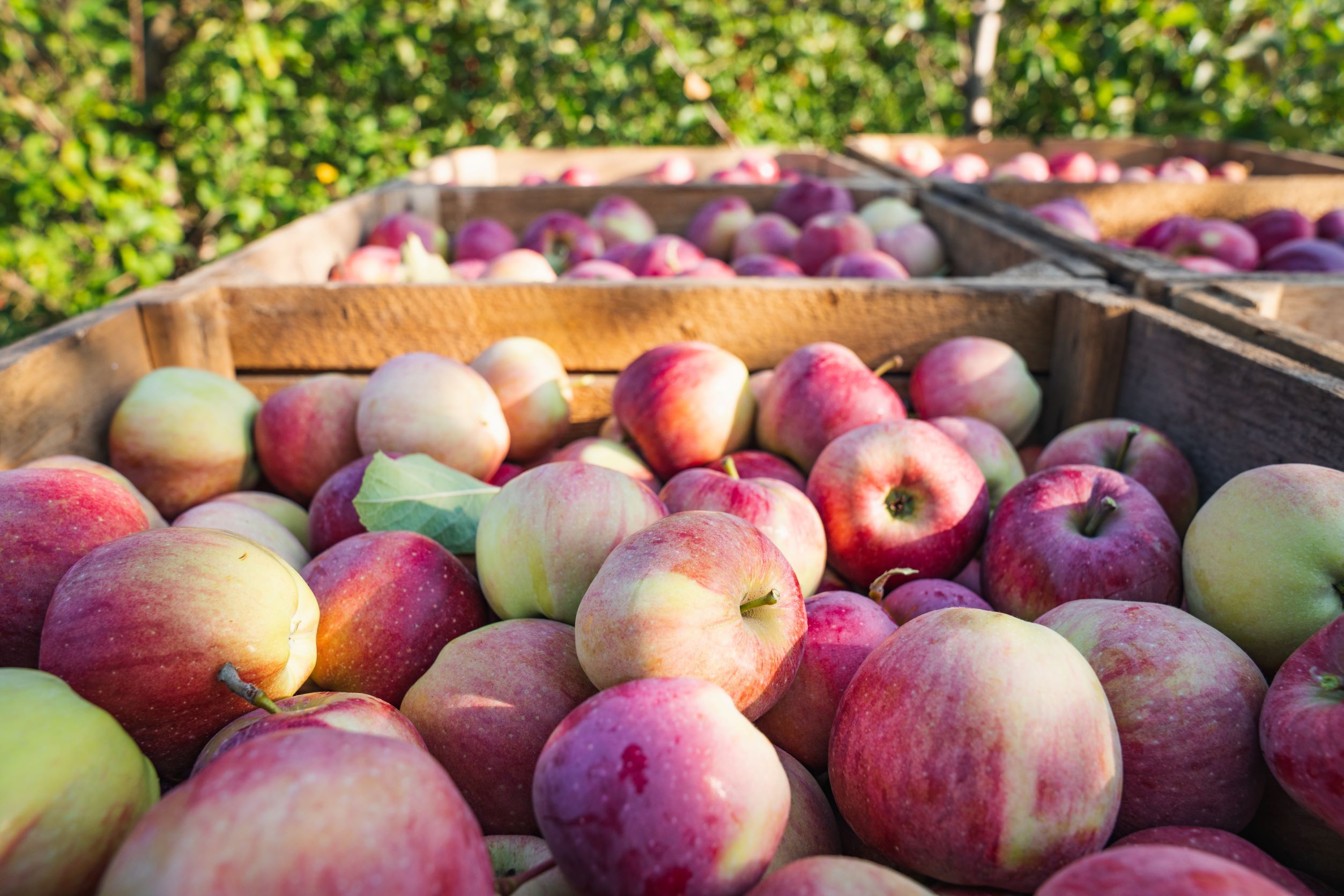
Advanced AI Sizing at your Fingertips
Harvest Quality Vision Now Offers Pre-Harvest Fruitlet Assessments

Did you know you can use Harvest Quality Vision to scan pre-harvested fruitlets with the same accuracy as you get at harvest in the bin?
Harvest Quality Vision: Now In Public Beta

Harvest Quality Vision is here, and it is revolutionizing harvest and quality control for apple growers around the world.
Harvest Quality Vision: Quality Control for Pears

Harvest Quality Vision has been revolutionizing harvest and in-orchard quality control for apple growers around the world, and we are thrilled to announce its expansion into new products! Introducing the latest update: harvest and quality control for pears!
Harvest Recording Methods: Which One Is Right for Your Operation?
Harvest is likely the single largest expense on your specialty crop operation. Labor accounts for 40 to 60 percent of total production costs, depending on your crop and region. When that much money and effort rides on every bin, how you record the harvest determines your inventory accuracy, traceability, labor costs, and compliance readiness through the rest of the year.
Improving Hard Cider Quality With Crop Load Management

Hard cider is a phenomenon in the alcoholic beverage industry, with US consumption growing more than 850% in the last 5 years. A new study examines orchard management strategies that can help growers improve the quality of the cider they produce from culinary apples.
Introducing Harvest Quality Vision™

Curious about Croptracker's exciting new innovation on display at the Ontario Fruit & Vegetable Convention this year? Read on to learn more about Harvest Quality Vision™ (HQV), developed with the aim to revolutionize fruit and vegetable harvests.
Introduction to Precision Crop Load Management

Welcome to the first part of our series on precision crop load management. Over the next few weeks, we will be taking a close look at methods and models of precision crop load management in orchards. Crop load management is a vast topic, so this week we’re starting with some of the key concepts and terms and introducing the three main methods: Pruning, Chemical Thinning, and Hand Thinning.
North American apple harvests are particularly vulnerable to these threats

Apple orchards have to dodge a wide range of pests and diseases in order to obtain a viable harvest. The 2021 North American apple season has two major concerns on growers’ radars: fire blight, and codling moths. Apples are susceptible to each throughout the season, but particularly during the bloom stage. Research continues on how to best prevent, scout, and treat disease and pests – and best practice strategies are helping growers execute on successful seasons against the odds.
Piece Rate Tracking for Harvest: Productivity, Compliance & Profitability
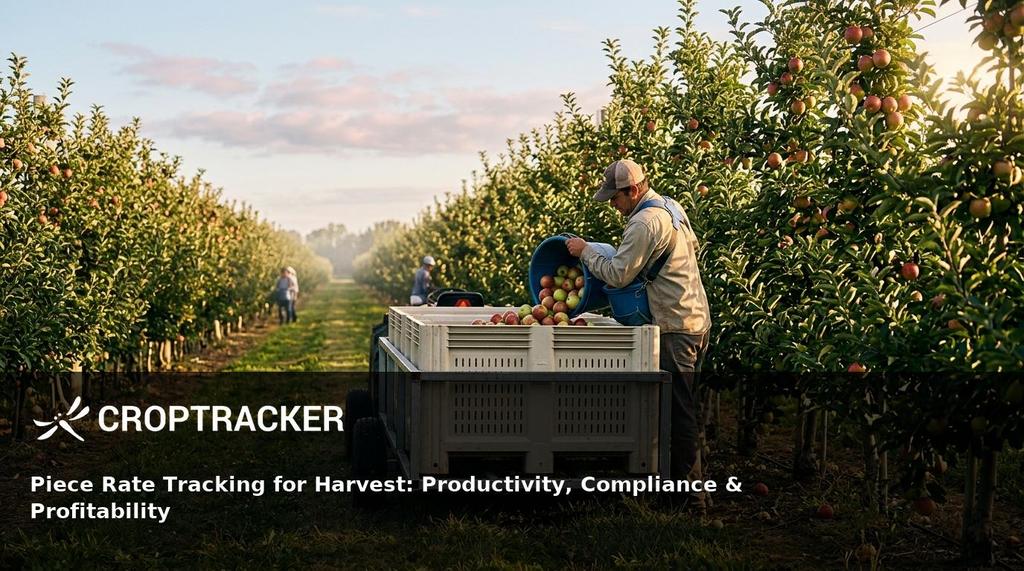
Harvest is likely the single largest expense on your farm. Labor accounts for roughly 40 to 42 percent of production expenses for specialty crops, according to the 2022 Census of Agriculture and USDA ERS data, depending on your crop and region. When that kind of money is riding on every bucket, every bin, and every bushel, you need a clear line of sight into what each picker is doing and what it costs.
Post Harvest Biology and Technology

When the hard work of growing is done, effective post harvest handling is vital.
Precision in Practice: Exploring the Methods and Challenges of Hand Thinning in Apple Orchards

Maintaining an apple orchard before harvest is a demanding task that needs careful attention and a dedicated team. It involves a lot of work and requires close attention to detail. A hardworking team is essential for the success of the orchard. Hand thinning is important for good fruit quality. Skilled workers remove extra fruits to make sure there is enough space for the remaining ones to grow well. The reliance on manual labor is particularly pronounced in organic orchards, where the avoidance of synthetic chemicals necessitates only manual or mechanical thinning methods. This article will explore some of the methods, tools and challenges involved in hand or manual thinning.
Profile, sort, market, sell: tools for sorting by color during harvest
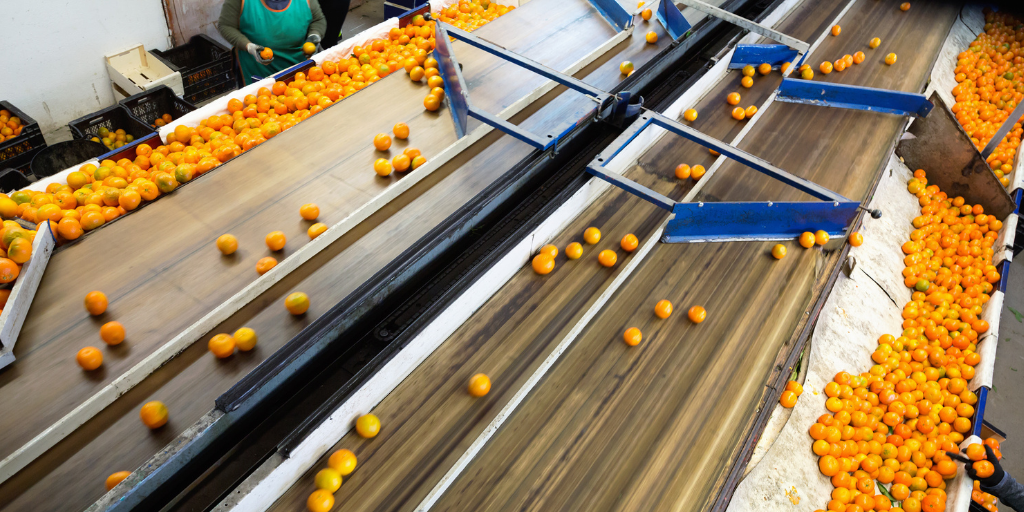
Growers who sell to the fresh market know better than anyone that color matters: accurate classification is the key to quality assurance and integral to success in commercial-scale produce markets. Apart from filtering out obvious disease, color is a primary classifier for selling fruit in graded classes. Contemporary tech solutions compliment the human sorting touch, while speeding up the processing element of harvest. Having the right tools in your QA supply toolkit improves your competitive advantage in the highly time-sensitive world of perishable goods.
Quality Control: Take Control of your Crops

Digitize your Quality Control processes and have access to it anytime & anywhere!
Crop quality is one of the most important factors to ensure that your crops make it to buyers and you get properly paid. Growing fruits and vegetables is tough, between extreme weather events such as hail, to the constant battle against pests, there are an endless number of problems that can affect the quality of your crop before you harvest or sell it.
Robotics in Agriculture: Apple Harvesting Solutions
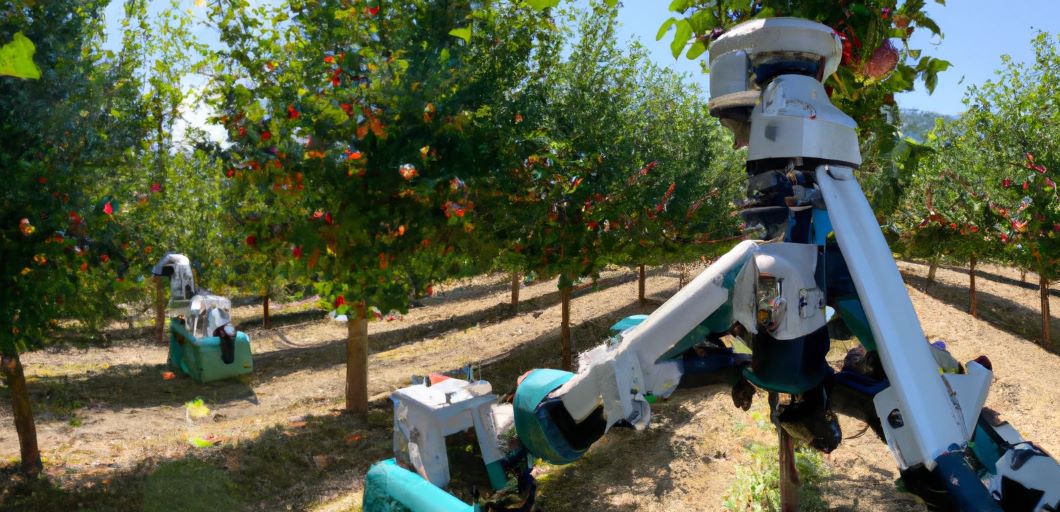
The use of robots is no longer limited to the manufacturing industry. New applications in machine learning and robotics are changing the way fruit is grown and produced. Robotic fruit picking robots are not a new concept, and labor shortages are a perennial problem for fruit growers. There is a large focus on automating some of the more tedious jobs that will help growers get their crop to market.
Streamline quality data tracking with Croptracker’s new QC module
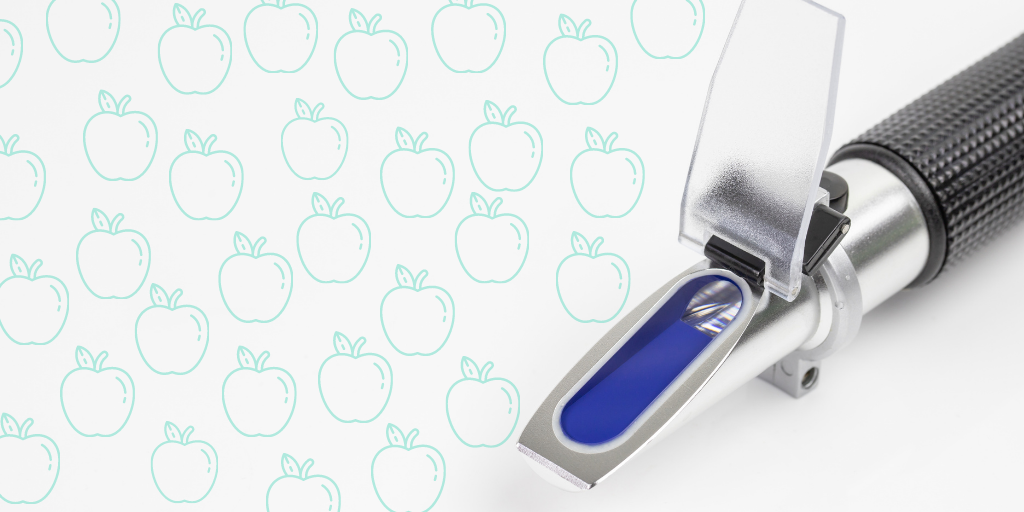
Leading a third, fourth, fifth generation family farm? There’s a lot to be proud of when carrying on the family business: decades of growing knowledge, with the tried and true practices passed along from earlier generations, can warm the heart with tradition and spell success for harvest season. But there may be some old routines worth letting go of – say, like manual data entry from clipboards – in favor of more robust digital tracking solutions like Croptracker’s Quality Control (QC) module.
Request your free private demo now!
Let our expert staff walk you through the Croptracker system, and answer any questions you have.
We are here to help.