
Spray & Crop Protection
Automation Spotlight: Weeding Solutions for 2023
In recent years, the agricultural industry has witnessed a significant increase in automation investments. According to the Western Growers Center for Innovation Technology's 2022 Specialty Crop Automation Report, automation-related investments on farms saw a remarkable 25 percent surge in 2022. Approximately 70 percent of participating growers indicated that they had invested in automation in 2022, with an average annual spend of $450,000-$500,000 per grower. The biggest percentage of investment? Weed management: 45 percent of survey respondents reported investing in automated weeding technology.
Bees Develop 'Addiction' to Pesticides

British researchers claim that the risk of pesticide-contaminated nectar entering bee colonies is higher than previously expected - because bees are prone to becoming "addicted" to pesticide-laced food. The study compares this to a nicotine addiction in smokers, as the more bees consume pesticides, the more they appear to crave them.
Changes coming to Canadian tank mix laws
The Pest Management Regulatory Agency (PMRA) is a branch of Health Canada responsible for the registration, evaluation, and sustainable usage of pesticides. A new update to PMRA policy, “PMRA Guidance Document, Tank Mix Labeling” will go into effect at the end of December 2024, with big implications for Canadian spray operators. In this week’s blog, we will go over the basics of tank mixing, the reasoning behind the process, the current regulations governing it, and the forthcoming changes that will shape future implementation.
Croptracker feature use case: applying and tracking biologicals in the orchard
Specialty crop growers are in the midst of a long transition period, moving from a historic reliance on synthetic agrochemicals, towards more dynamic approaches like Integrated Pest Management (IPM). Orchardists and apple growers in particular have been at the forefront of this shift, being some of the first to adopt biological treatments like pheromone sprays.
In the apple industry, the move towards biologicals is not just a response to environmental advocacy, but is a calculated adaptation due to an evolving regulatory landscape; a growing consumer demand for “residue free”produce; and increasing agrochemical and fertilizer costs. When used well, IPM strategies, including biological treatments, can help growers reduce traditional treatment costs and increase yield and quality.
This article will detail the types of biologicals most commonly used in apple orchards, the regulations covering their use in Canada, and how Croptracker can help growers make the most of their biological applications.
Croptracker feature use case: spray planning
With the ground still frozen near Croptracker’s home office, growers in the northern hemisphere are already deep in planning for the upcoming season. For specialty crop growers in particular, this period requires careful and strategic thinking to protect precarious profit margins from a perfect storm of challenges, including uncertain trade markets, persistent labour shortages, and increasing climate pressures. Every decision, especially concerning input costs, must be optimized for efficiency and compliance.
Croptracker Highlight: Spray

At Croptracker, all of our features are designed in collaboration with growers to prioritize the features that matter most. From the very beginning, the Spray module has been a favorite of fruit and vegetable growers worldwide with features designed to save time, reduce headaches, and keep your crews safe in the field.
Croptracker’s Spray module improves safety, efficiency, and traceability

The growing season is nearly upon us, Croptracker can help you every step of the way.
Cultivating Smarter Farms: How Croptracker Supports Integrated Pest Management

The world of agriculture is constantly evolving. Trade challenges, coupled with changing climates and shifting industry landscapes is always pushing growers to seek innovative solutions. Solutions have to balance enhanced productivity while minimizing environmental impact. This pursuit has led to a growing adoption of nuianced and responsive strategies like Integrated Pest Management (IPM). IPM strategies are becoming increasingly necessary due to complex challenges posed by climate change and the persistent issue of pesticide resistance.
Groundbreaking 'Cold Lightning' Treatment Eliminates Fruit Mold

Here at Croptracker we're fascinated by other forms of technology that help revolutionize food safety and make growers' work days easier. That's why we're excited to hear about a fledgling innovation from Australia that could possibly make a huge contribution to fruit rot control in the future.
Herbicide Resistance

Herbicide resistance occurs when, as the same herbicide or herbicide groups are applied each year, weeds and undesirable plants begin to adapt and develop a resistance to the herbicide. This development of resistance is an example of a fast paced evolutionary change through natural selection. As the same herbicide is applied year after year, resistant plants are naturally selected and survive to the next year. The resistant weeds will spread (as weeds do) and eventually herbicide resistant plants dominate the whole population. A weed population is defined as resistant when a herbicide loses effectiveness. While there is no explicit standard, a 20% survival rate after application is often used. Herbicide resistance is considered permanent in weeds and their subsequent offspring.
Optimizing Growth: Advantages of Centralized Spray Record Management for Large Agricultural Organizations

Effective spray record-keeping is crucial for growers of any size, but as agricultural operations expand, the importance of comprehensive record-keeping and sharing becomes even more pronounced. Traditionally, farmers have maintained individual spray records for the locations they manage. However, when operations span large geographic areas with multiple farm locations, particularly on an international scale, managing spray records can quickly become overwhelming. Ensuring visibility and accessibility to records across all farms is essential for upholding food and worker safety standards and meeting export requirements for end products. This article explores the advantages of digitizing and centralizing spray recordsdigitizing and centralizing spray recordsdigitizing and centralizing spray records for large fruit and vegetable producers, growing associations, and cooperatives.
Spotlight on Biopesticides

In today's blog post we look at biopesticides, their benefits and challenges, and why they are becoming increasingly popular among conventional growers as well as organic producers.
Spotlight on Spray Records

Spray and chemical inventory records are some the most important documents a produce grower can have. As well being a legal requirement in most jurisdictions, they are becoming increasingly sought-after by processors and buyers as a means to verify the safety of a farm's products. Spray records can also provide useful insights that can help growers plan their future operations. When complete with Post-Harvest Interval (PHI) information, they also demonstrate that due diligence was taken and help protect the safety of growers, workers, and consumers.
With the recent widespread media attention on pesticides and incidents of their misuse, growers may wish to investigate new ways of recording their chemical application and inventory information more uniformly and more accessibly. In this blog post we discuss how Croptracker makes keeping accurate, comprehensive, and secure records quick and easy.
Spray Record Keeping Software: What Specialty Crop Growers Need to Know
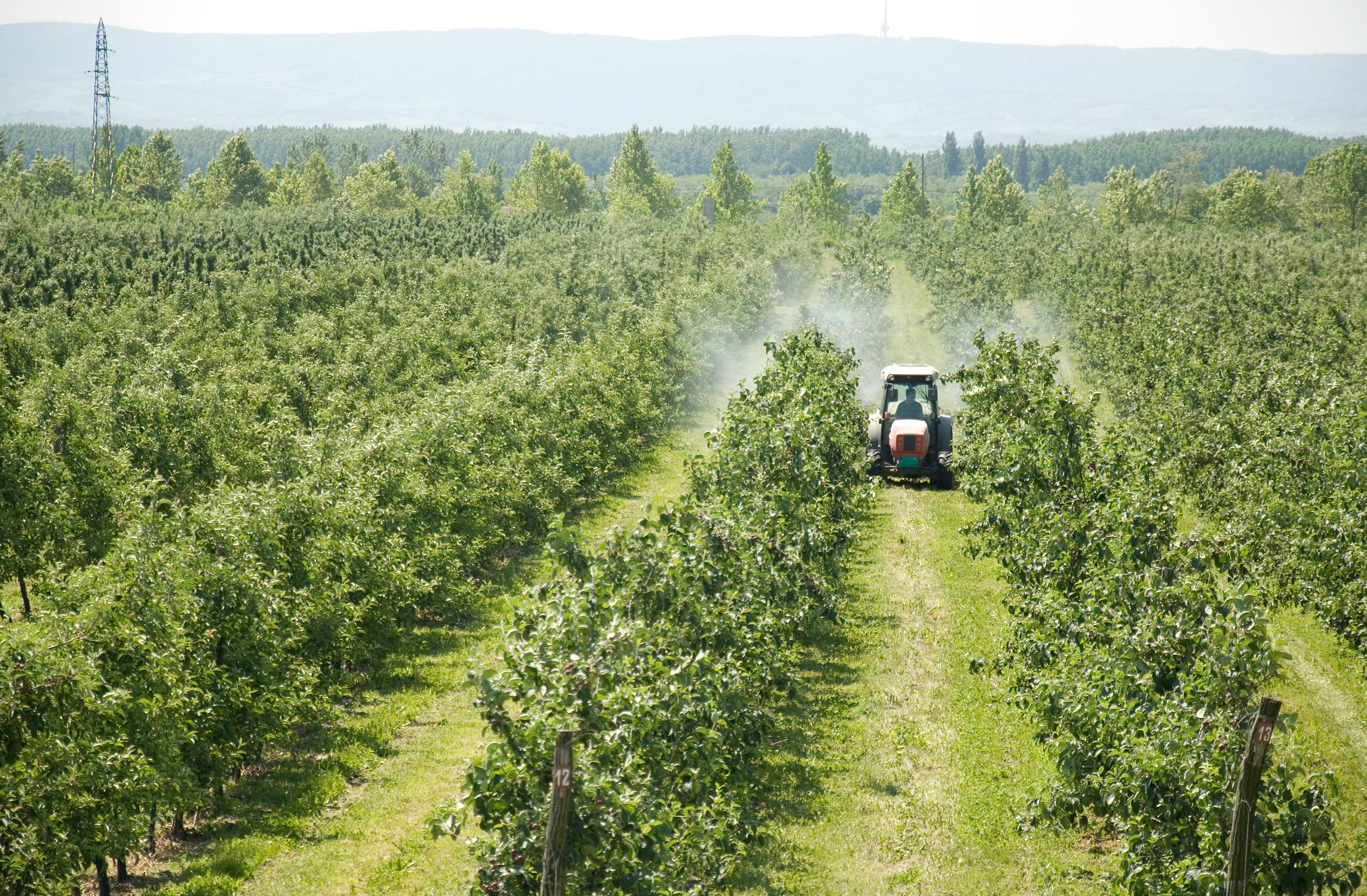
Every year, specialty crop growers face the same question: "Can we justify the cost of spray software?" The real cost calculation is simpler if you flip the equation.
What does a failed PHI check cost?
What does an auditor finding issues in your spray records cost?
What does a week of scrambling for paper logs during audit season cost?
The Race Against Rot: Preventing Food Loss in the Tender Fruit Market

Food loss and waste is a hot-button topic in both the food industry and among consumers. As food costs continue to rise, both growers and retailers are under pressure to reduce food waste wherever possible.
Three ways Croptracker’s Spray module can boost safety, efficiency, and traceability

Improving the safety, efficiency and traceability of crop production is a central priority for Croptracker when considering the farm management ERP. Offering robust recordkeeping for all aspects of production and harvest, Spray is a key module that ticks off all the boxes for optimizing your operation, for the betterment of your crew.
Unprecedented Apple Pathogen Can Survive Pasteurization

Research at Cornell University has uncovered a new apple disease. Paecilomyces rot is caused by infection by the Paecilomyces niveus mold. While it looks similar to other postharvest apple diseases (like blue rot, apple ring rot, bull’s-eye rot, black rot and bitter rot) and produces the same harmful patulin toxin, Paecilomyces rot is unique and especially pervasive for the fact it can survive high temperatures. Therefore, human exposure to patulin can occur even from pasteurized apple products - like juices and syrups - made from Paecilomyces niveus-infected apples.
Request your free private demo now!
Let our expert staff walk you through the Croptracker system, and answer any questions you have.
We are here to help.