
Farm Business & Operations
Cannabis & Industrial Hemp: Testing Procedures
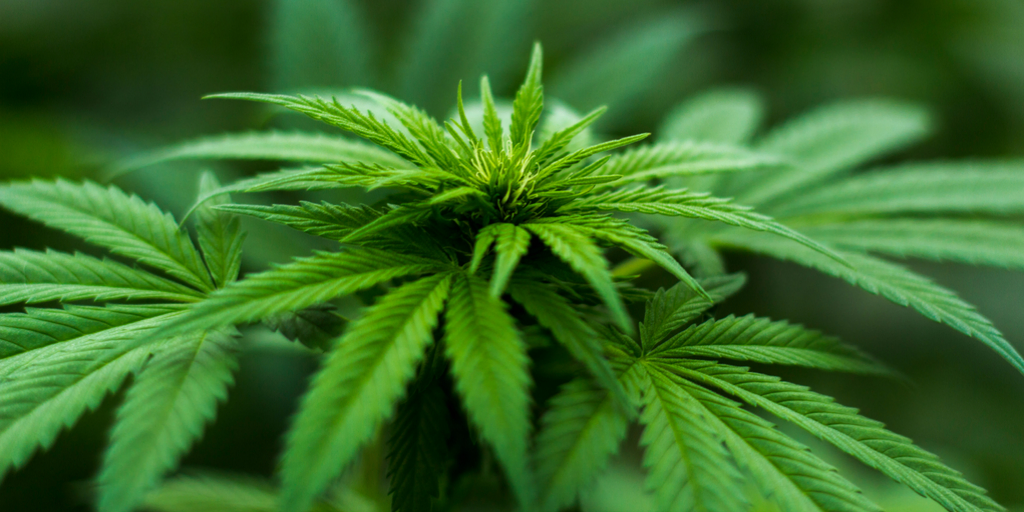
2018 saw major breakthroughs in the Cannabis and Hemp farming industries with the introduction of The Hemp Farming Act in the U.S. and the Bill-C45 Cannabis Act in Canada.
Carbon Capture for Growers

Carbon capture and sequestration (CCS) is a hot topic among growers right now as a promising tool in the fight against climate change. In many ways, agriculture is an industry uniquely positioned to make a real difference with minimal changes to existing processes. In Canada, the Federal government has committed to achieving net-zero carbon emissions by 2050. Globally, the agricultural sector is responsible for 9% of greenhouse gas emissions, but farms and especially orchards have the potential to be used more efficiently to capture and hold carbon.
Challenges and Innovations in Sustainable Agriculture Packaging

The concern for the health of the environment seems to grow larger every day. Waste from packaging is a major contributor to environmental degradation. In agriculture, waste is accrued in every step of the process. The demands of the public and the planet call for dramatic changes in these processes.
Chaotic 2020, uncertain 2021... what’s next? Lead fresh market sales with strong data
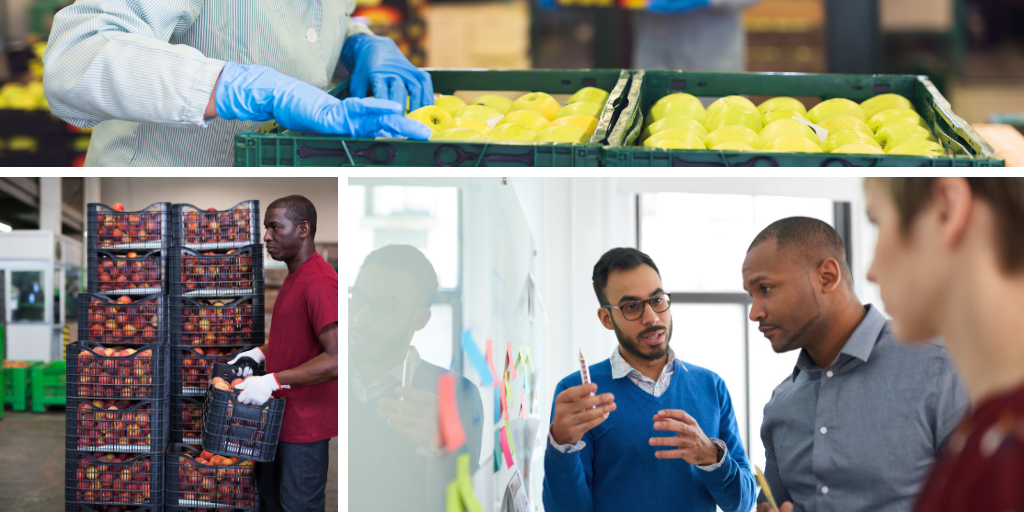
Colliding forces of uncertainty – climate change, COVID19 – hang above food production systems everywhere. And it makes mapping trends of market demand, value, and volumes increasingly more challenging. From this comes the ever-growing need for detailed analysis, to try and glean insights wherever possible along the supply chain, to offer the right irresistible produce for customers. Integrative tools like Harvest Quality Vision and Quality Control enable speedy, data-driven insights. Whether from the orchard, during transport, receiving, storage, to the sales admin stage of the chain, Croptracker’s cutting-edge visualization technology and flexible inspection reporting provide reassurance with precision.
Choosing the Right Crop Management Software

If you're reading this, you're probably already aware of all the benefits a quality crop management software system can bring to your farm. Now, how do you choose the best platform for you and your operation? In today’s blog post we’re going to look at several important factors to look out for while making your decision.
Climate Resistant Crops Expand Global Growing Access
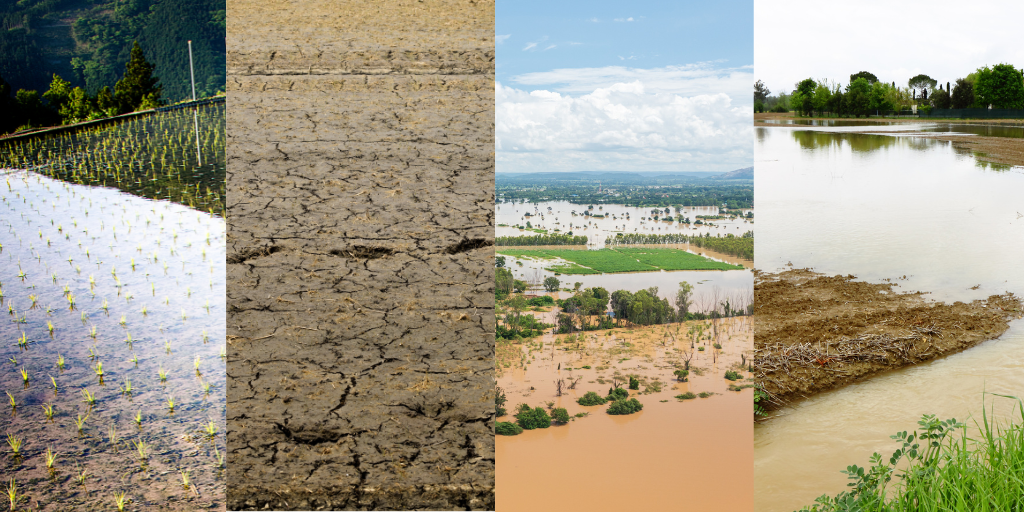
Climate change is ubiquitous in the news these days, and growers worldwide are adopting new technologies, taking new approaches to farming, and seeking resources to help them in a changing environment. The creation of “climate resilient” crop varieties is one way that agricultural scientists hope to address the challenges facing farmers around the globe.
Computer Vision in Agtech
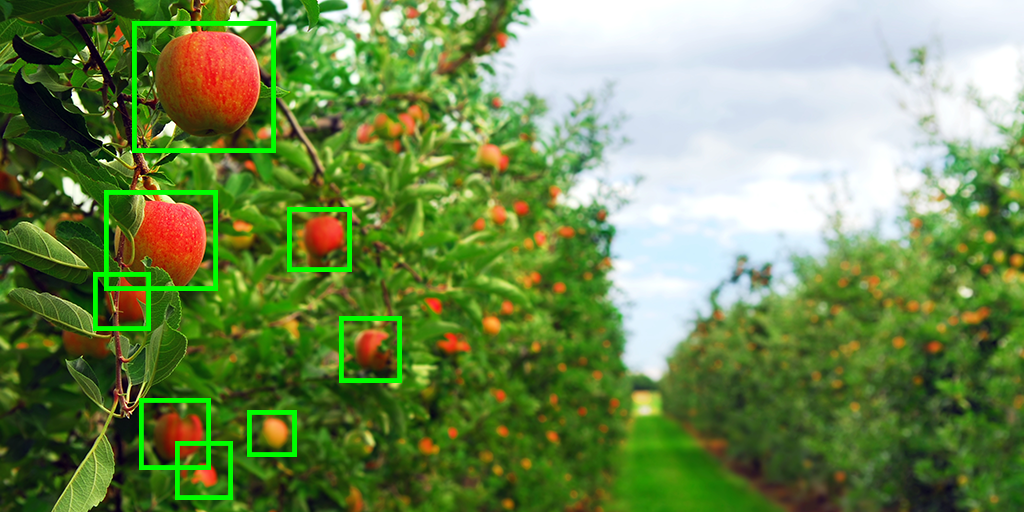
Self driving cars, facial recognition software, mobile cheque deposits, the way facebook knows to tag your friend Andrew in all your pictures of him without asking; a huge variety of technologies, even those we take for granted, employ state of the art technology in computer vision. In agriculture, the applications of computer vision are also growing fast. In part one of our series on computer vision in agtech, we’ll answer some basic questions about the nature of computer vision and discuss its applications in autonomous weeding, harvest and quality control.
Computer Vision in Agtech - Pt 2
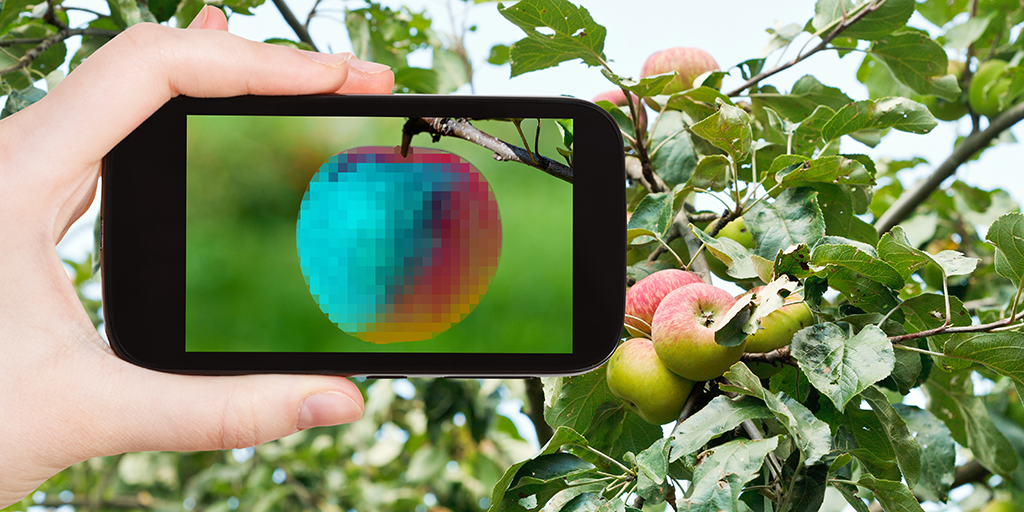
Last week we took a look at computer vision; what it is, how it works, and some of the applications for computer vision in agtech. This week we’ll go over some further applications for machine vision technology in autonomous vehicles, drone and UAV monitoring and mapping, and quality assurance.
COVID-19 Impacts Food Security

As the COVID-19 crisis continues, questions about food security are at the forefront of consumer consciousness, and while supplies may be abundant, experts suggest that increased logistical challenges are on the way.
COVID-19 Unlikely to Spread via Fresh Produce

As more restaurants and businesses close and consumer anxieties rise, do consumers need to be worried about contracting COVID-19 from their groceries? Experts say that there is no evidence that fresh produce (or any other foods) can transmit the coronavirus.
Croptracker @ OFVC 2018

Another year, another great Ontario Fruit & Vegetable Convention!
As always, the trade show was an exciting and insightful couple of days. It was great to catch up with current Croptracker clients and meet lots of new growers. We loved getting to chat with you all, and we came away with several ideas on how we can make Croptracker even better!
It was also an honour to be the subject of berry growers Ellen Jennen of Jennen Family Farm Market and Brian Rijke of Dentz Orchards & Berry Farm's talk Growers' Experiences with Croptracker; in which they discussed their set-up processes, growing pains, and success with the software. We would like to thank them for taking the time to share their experiences with OFGVA members and are delighted they have had such positive experiences with Croptracker. We look forward to seeing their farms thrive into the future!
Croptracker at Journées Horticoles et Grandes Cultures 2025

Croptracker is pleased to announce our return to the Journées Horticoles et Grandes Cultures / Horticultural and Field Crop Days 2025. The show is at the Saint-Rémi Recreation and Culture Centre and will run from November 25-27th. You can register, learn more about other attendees and view the show map HERE.
Croptracker at Ontario Fruit and Vegetable Convention 2026
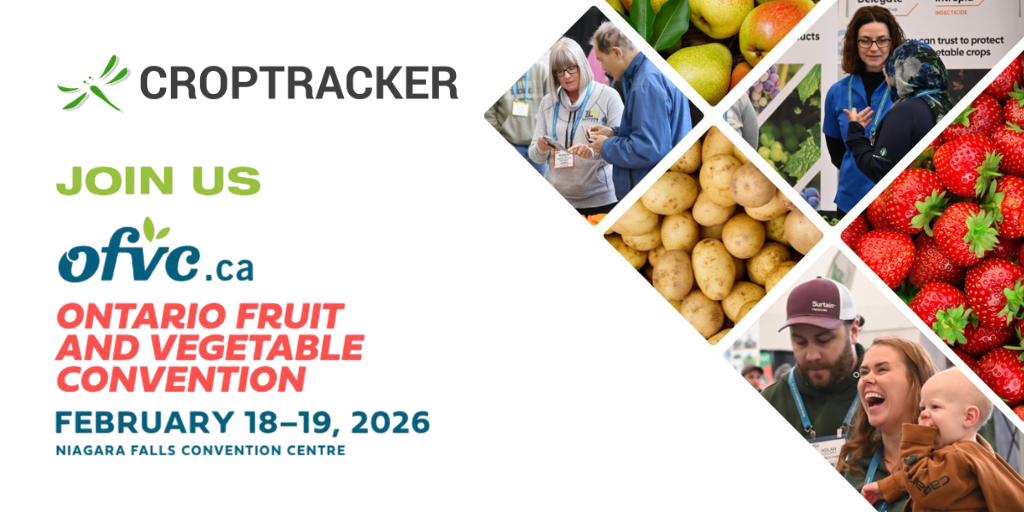
The 2026 growing season is just around the corner, and we are thrilled to kick it off at Canada’s premier horticultural event. Croptracker is officially heading to the >Ontario Fruit and Vegetable Convention (OFVC) in Niagara Falls!
As an Ontario-born company, OFVC is one of our favorite stops on the event calendar. It is a unique opportunity to connect directly with the growers, researchers, and industry leaders who drive the horticultural sector forward. Whether you are a long-time Croptracker user or looking for new ways to streamline your farm’s data, we’d love to see you there.
Croptracker Customer Showcase Blog - Enza Zaden (Florida)

This customer showcase blog will highlight Enza Zaden’s Croptracker use to record their spray applications and inventory at their Florida research and development station. Enza is in their third year of using Croptracker’s Spray module.
Croptracker Customer Showcase: Hollabaugh Bros., Inc.

In this customer showcase, Croptracker would like to highlight one of our longest customer relationships with Hollabaugh Bros., Inc. Hollabaugh Bros has been using Croptracker’s spray and harvest tracking modules since 2013 and has been an important part of the continued development and improvement of the spray module.
Croptracker Customer Showcase: Sandhar Farms Ltd.

This customer showcase blog is focused on Croptracker user, Sandhar Farms. Sandhar started using Croptracker's software in January 2022 and is now in its third growing season with it. They use Spray, GAP Audits, Punch Clock, Production Practice and Harvest modules.
Croptracker Customer Showcase: Schuyler Farms

Croptracker’s system has always been designed based on the needs of growers, packers and associations. In this case study, we’d like to introduce an important client and development partner of new Croptracker modules: Schuyler Farms in Simcoe Ontario. Brett Schuyler is a former board member with Ontario Apple Growers (OAG) and current CEO at Schuyler Farms, Brett has been in the apple business since 2008.
A Croptracker success story, Brett started small with just one user and two modules to improve his harvest and labor tracking records. Now Brett has brought his experience and expertise to bear for Croptracker’s new Quality Control module.
Croptracker Customer Showcase: Tregunno Farms
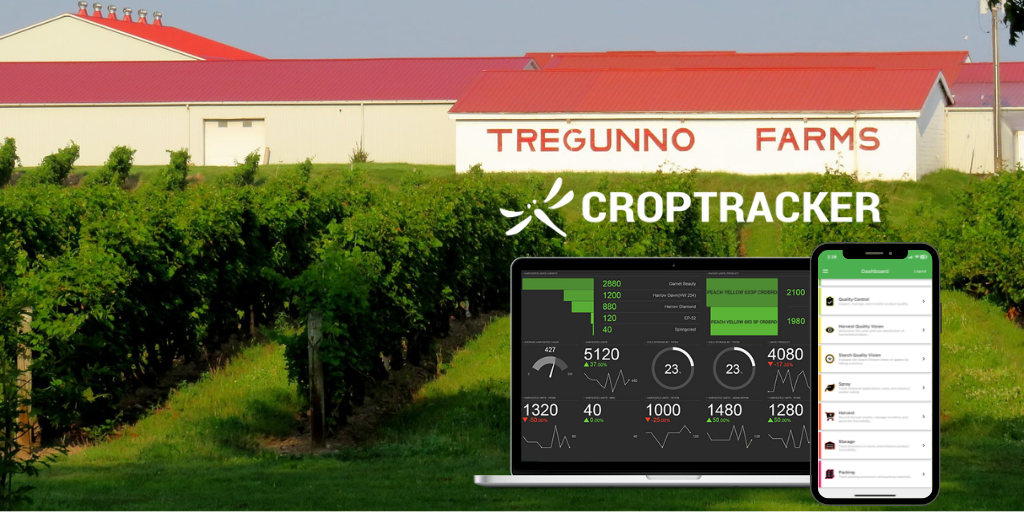
Tregunno Farms is the long-time Croptracker customer we are highlighting in this Croptracker Customer Spotlight article. Tregunno is an Ontario Tender Fruit (OTF) growing member and has access to the full suite of Croptracker farm management software. Tregunno has also worked with Croptracker for over a decade to support a custom and automated cold storage inventory tracking system and a tailored inventory transfer system. For this article we spoke with Ryan Tregunno, who works with his family, to manage this 5th-generation family farm.
Croptracker Customer Spotlight: Rice Fruit Company

We are pleased to be highlighting Rice Fruit Company in our latest customer spotlight series. Rice Fruit is heading into their 5th year with Croptracker and their second year as a Croptracker RnD partner. Through this partnership, Rice Fruit benefits from access to Croptracker’s full functionality while offering valuable feedback on new modules and features to help refine and enhance the system. For this article we spoke with three key members of Rice Fruit’s team, Leighton Rice, Maggie Travis and Mike Tully.
Croptracker customer spotlight: Sandy Shore Farms
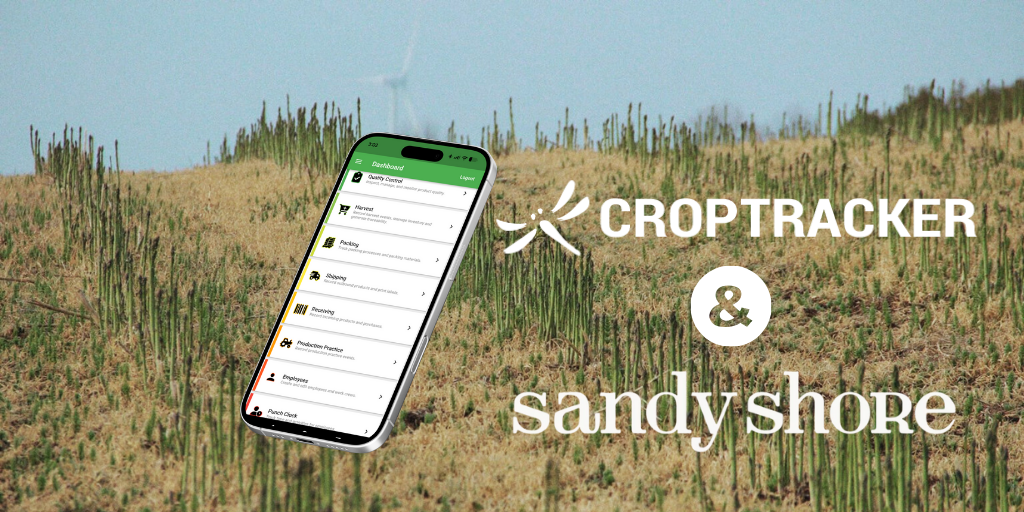
Sandy Shore Farms, a family-run enterprise established in 1956, stands as a prime example of agricultural innovation rooted in tradition. Operating in Norfolk, Ontario, the farm capitalizes on the region's rich, fertile sandy soil to cultivate a significant volume of high-quality produce, including fresh asparagus, onions and bell peppers.
Request your free private demo now!
Let our expert staff walk you through the Croptracker system, and answer any questions you have.
We are here to help.