
Farm Business & Operations
Weather Apps and Services for Farmers

All growers know how important it is to track weather conditions on their farm. Planting and harvesting scheduling, yield predictions, water/irrigation management, pest and disease mitigation and prevention, and financial planning are all greatly impacted by weather events. With the effects of climate change leading to less predictable weather and more ‘extreme’ and ‘unprecedented’ weather events, getting accurate weather information as soon as possible can have significant effects on how growers react to protect their crops.
Weigh your options for smart fruit sorting
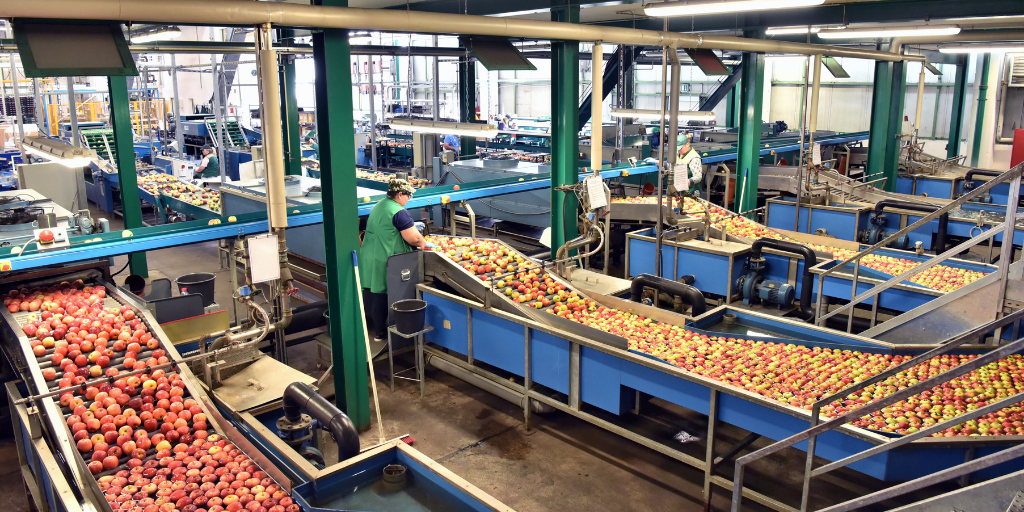
Harvesting for the fresh produce market demands conscientious, strategic attention to quality metrics that determine the worth of a season. Done right, and the maximized return is clear for all parties in the supply chain. Gathering key data insights at the orchard or on receipt at the packinghouse boosts the efficiency of the steps that follow: pack or store, then ship.
What is Machine Learning & How Will it Benefit Agriculture?

There is a constant stream of emerging innovations in Agtech, and one of the biggest topics is Machine Learning and Artificial Intelligence (AI). This is currently a hot topic out in the field and behind a computer.
What is RFID?

What is RFID technology and how does it benefit growers? In today's blog post we'll take a look into this valuable tool that's helping transform horticulture.
When the farm needs to change hands, what options are out there?

Nearly half of cropland farms are owner-operated in the U.S. Every farm operation has a change in ownership eventually: when that time comes, how will things take shape? Answering this question is more challenging when there isn’t a younger farmer in the family in line to be a successor. Land ownership legislation (and specifically how it relates to farmland) varies by region, with different plans and desires informing aging growers in their plan of action.
Why Aren't There More Organic Farms?

The U.S. organic food market surpassed $45 billion in sales in 2017, but organic acreage only account for 1% of the country's total farmland. This isn't just the case for the U.S. - this imbalance is being mirrored around the world. What are some of the biggest obstacles blocking the growth of organic farming, and can anything be done to mitigate them? In this blog post we'll explore 3 major barriers to entry for organic growers, and look at how the industry and its stakeholders are coming together to overcome them.
Request your free private demo now!
Let our expert staff walk you through the Croptracker system, and answer any questions you have.
We are here to help.