
Farm Business & Operations
Agtech solutions roundup: tech innovations for sustainable and successful growing

New technology solutions continue to enter the agtech market aiming to ease the challenges with sustainable commercial growing. From refining labor needs to reducing reliance on fossil fuels and pesticides, today’s cutting-edge innovations are focused on using resources more efficiently and mindfully. Much like how Croptracker continues to find new ways for farm management to be safer and more profitable, other agtech players aim to close the gap on all things growing, especially as each season offers its surprises.
Check our roundup of recent and upcoming innovations throughout the agtech sector below the fold.
Weigh your options for smart fruit sorting
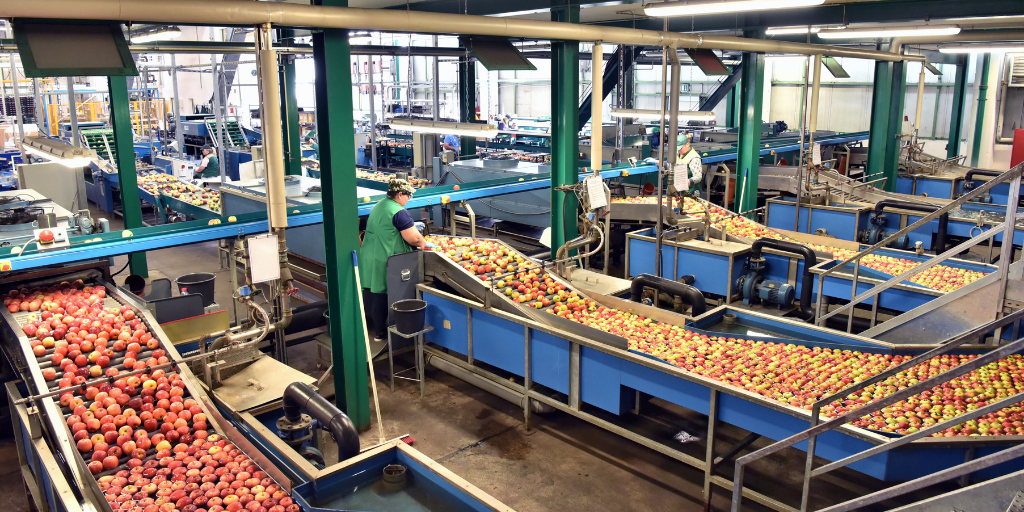
Harvesting for the fresh produce market demands conscientious, strategic attention to quality metrics that determine the worth of a season. Done right, and the maximized return is clear for all parties in the supply chain. Gathering key data insights at the orchard or on receipt at the packinghouse boosts the efficiency of the steps that follow: pack or store, then ship.
Hidden gems: nine uncommon apple varieties outside of the norm

The rich history of apple cultivation has led to over 7,500 different varieties in existence. Commercial production pressures limit the scope of what types can be effectively produced for large markets: size conformity, taste profile, storage life, and so on. Each variety changes the playbook for thinning, harvest timing, and storage, so successful commercial orchards track their blocks closely — many run that day-to-day detail in orchard management software. But rarer, stand-out cultivars are still maintained and celebrated for their unique delight, history, revival from near-extinction, or the possibility of becoming the Next Big Apple.
Expanding to meet industry needs: Croptracker enters South American market with Spanish translations, new Director of Sales

The Organization for Economic Cooperation and Development (OECD) and Food and Agriculture Organization of the United Nations (FAO) reported in its 2019-2028 Agricultural Outlook that strong growth opportunities are anticipated in high value fruit and vegetable crops throughout Latin America and the Caribbean within the decade. As demand for fresh produce from these regions increases, so does the need for refined data insight tools for growers and distributors alike. The Croptracker team is excited to facilitate enhanced efficiency and regulatory compliance to the South American fruit and vegetable market – particularly through our Harvest Quality Vision system that produces pre-sorting harvest insights without the huge, costly packline.
Chaotic 2020, uncertain 2021... what’s next? Lead fresh market sales with strong data
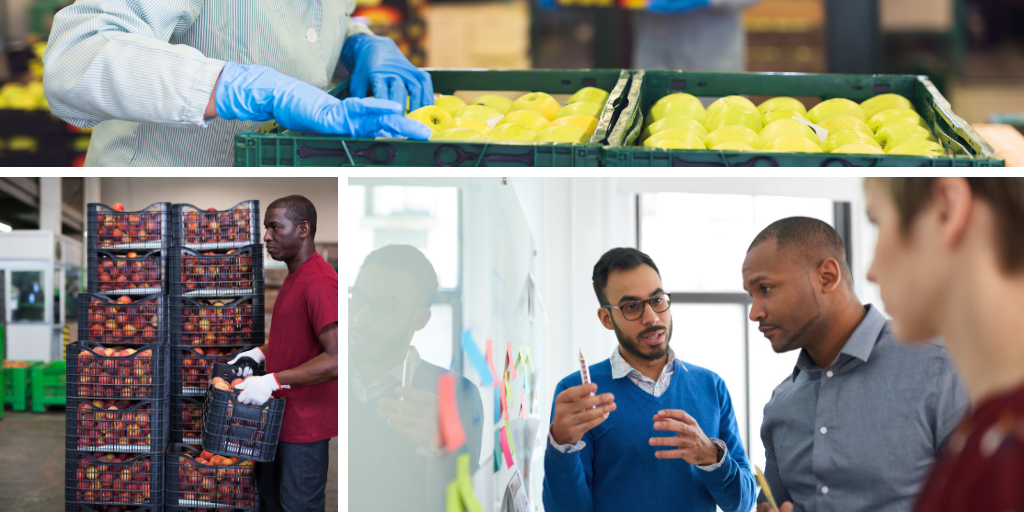
Colliding forces of uncertainty – climate change, COVID19 – hang above food production systems everywhere. And it makes mapping trends of market demand, value, and volumes increasingly more challenging. From this comes the ever-growing need for detailed analysis, to try and glean insights wherever possible along the supply chain, to offer the right irresistible produce for customers. Integrative tools like Harvest Quality Vision and Quality Control enable speedy, data-driven insights. Whether from the orchard, during transport, receiving, storage, to the sales admin stage of the chain, Croptracker’s cutting-edge visualization technology and flexible inspection reporting provide reassurance with precision.
Integrate Croptracker with your favorite farm management tools to optimize team workflow

How does a farm operation make the leap from one data management system to another? It might be best to change the current approach, but for some stakeholders, it’s not something to proceed with any time soon. So what might help everyone get on the same page about new tools?
SaaS? ERP? Quick facts about subscription tools for your business

If online tool adoption feels a little overwhelming, that’s understandable. Determining what would be most effective for a growing or distribution operation that’s historically relied upon paper tracking and Excel can be daunting, especially when acronyms are peppered throughout feature descriptions.
Agtech solutions spotlight: Cornell’s soil-swimming robots

Though the foundational components of plant life are understood, much of what happens below the soil remains obscure. Cornell University has initiated the development of a project to connect more dots regarding how roots engage with soil, by creating a wormlike robotic tool. Aiming to explore root interactions with soil, the robot concept offers great potential for plant growth data collection in a new way.
Croptracker's year in review: 2020 and what's to come

It’s not possible to sidestep the ongoing loom of the pandemic when talking about this year, which has produced seismic and international disruption across industries and personal lives. In the face of these new challenges, we are particularly humbled and grateful for our company’s successes in 2020. When reviewing our achievements, we reflect on the impact we have made with our new tools and are energized by our evolving plans for the year ahead.
Managing fruit ripening for the fresh market
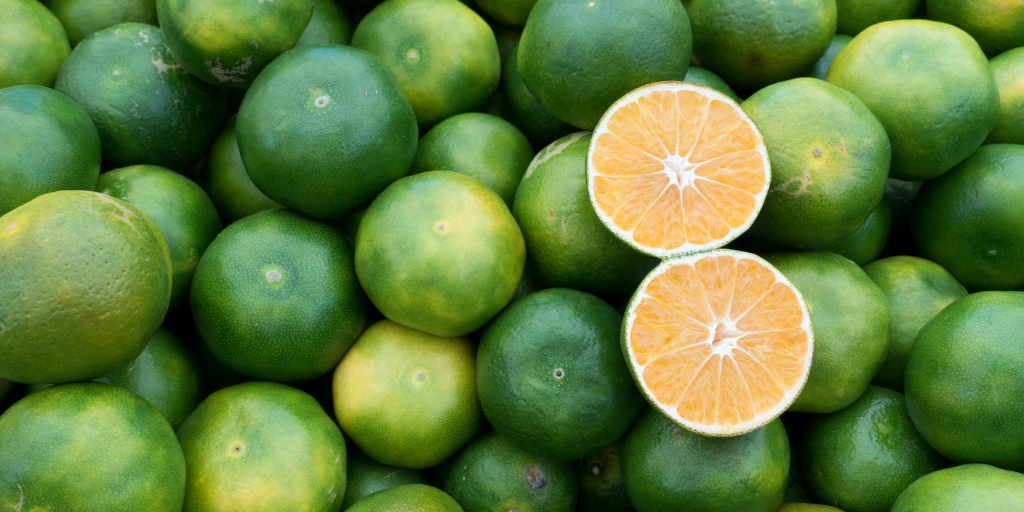
Fresh fruit markets can provide consumers with desirable produce nearly year-round because of the innovations that mitigate and control the ripening process. Different interventions pre- and post-harvest take place according to the unique needs of each fruit type. Croptracker’s farm management and data visualization tools fit into any grower’s workflow to track and gain insights on the details that lead to a higher quality, higher value result.
Looking to next year: agricultural conference round-up for 2021

Like every industry this year, the conference event sector has had to embrace an elaborate change of plans required to accommodate the safety risks associated with COVID-19. Depending on the particular timing and logistics, agtech and grower conferences originally scheduled for 2020 were cancelled or reworked to online livestreams.
Data security check-up: SaaS permissions

This article is the second installment of our ongoing security series.
Having all your important tasks and stats held in a service provider’s cloud storage is now normal. As we covered in our first data security post, this means good data security hygiene is a collective effort, led by managers that organize team members’ tool access mindfully. Software as a Service, or SaaS, has reframed software as a licensed subscription that is accessible online rather than relying on local storage of the tools and user data. Organized by user permissions, access to information and its controls can be precisely managed.
When the farm needs to change hands, what options are out there?

Nearly half of cropland farms are owner-operated in the U.S. Every farm operation has a change in ownership eventually: when that time comes, how will things take shape? Answering this question is more challenging when there isn’t a younger farmer in the family in line to be a successor. Land ownership legislation (and specifically how it relates to farmland) varies by region, with different plans and desires informing aging growers in their plan of action.
How to define precision agriculture terminology

From the Green Revolution to present, agricultural innovations have allowed for the rapid evolution of food production internationally. Along with innovation comes new terminology to articulate what’s taking place along the way. There’s precision agriculture, which has denoted the last few decades of tech’s integrations with farming. And then there’s more recent phrases like smart farming and digital farming. How do these terms fit together, and which apply to your operation practices?
Data security check-up: password management

This article is the first part of our ongoing security series.
It’s not a new piece of advice: where there’s a login, there’s risk of security breach – following best password practices will provide protection and reassurance. The threat of having data compromised is widely understood, but research suggests that commitment to digital security remains lax for most individuals from its American sample. So maybe... the Dos and Don’ts are a little foggy.
Tillage and Growing: The Value of No-Till Farming
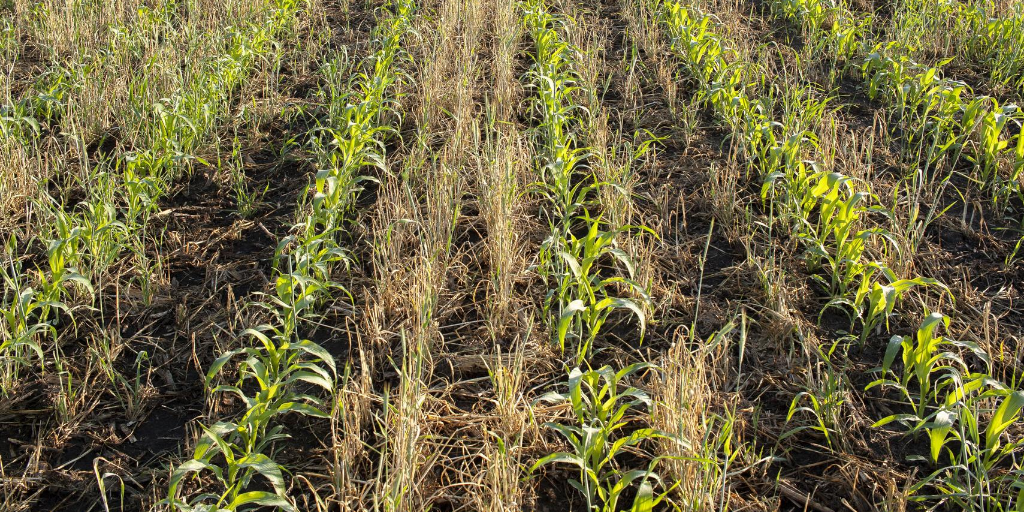
What growing techniques shape your production? Plow, chisel, disk, ridge plant – all of these tillage systems offer different advantages when growing in poorly drained soils and aim to start your growing season off with a suitable soil environment. If tillage is in your planning, ideally it’s executed conservatively: the mechanical manipulation of soil promotes erosion, creating greater need for compensating inputs over time, and larger strain on food production systems worldwide.
Rugged Battery Pack Round-Up: ideal for farming!

Long days outside mean you’re going to have to charge up one way or another. Having a weather resistant power source for your work in the field is key to ensuring your data tracking and communications are uninterrupted. We’ve highlighted some currently available portable batteries and power banks of note that aim to pass the test of your day to day needs.
Organic Farming: Navigating Legislation
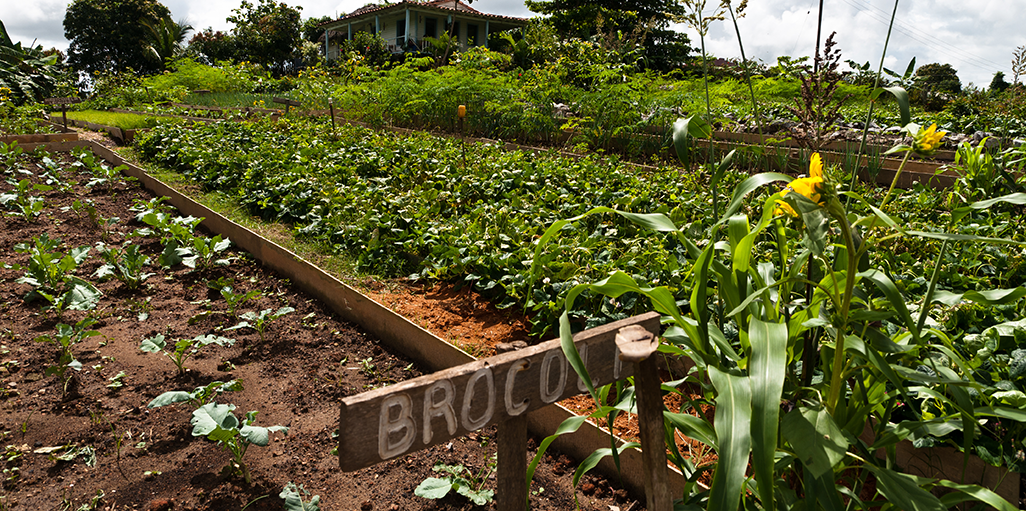
Organic farming must adhere to the regulations and standards in your region as well as where your produce may be exported. Oftentimes organic standards will consist of production practice standards and permitted substances lists, and applicants must adhere to these standards for three years before selling their produce as “organic”. Organic record keeping must be maintained to prove no prohibited substances were used on the land or crops; production plans or organic system plans also required by certification bodies can include input documentation, seed sources, a five-year history, harvest records, and more. Where do these guidelines stem from, and how does it look in practice?
Feature Spotlight: Croptracker for Contact Tracing

As the covid-19 crisis continues, we have seen packing and agricultural workers testing positive across North America. Experts agree that contact tracing will be needed going forward to avoid bursts of new Coronavirus infections, which could lead to complete shut downs of many essential operations.
Fruit or Vegetable: Fresh Food Facts

Commonly used terminology for the categories of fresh food we enjoy – fruits and vegetables – are often misnomers. From a culinary terminology standpoint, fruits are sweet and vegetables are not. Though it may vary depending on one’s background and region, generally the highlight of the public’s classification knowledge regarding what is a fruit and what is a vegetable is the fun fact of “Did you know that tomatoes are actually a fruit?!”
Request your free private demo now!
Let our expert staff walk you through the Croptracker system, and answer any questions you have.
We are here to help.