
Farm Business & Operations
Tough Tech for Farmers: Rugged Phones & Accessories Round-Up

When working relies on being out in the elements, the tools you need to get the job done should withstand these conditions within reasonable use. Agricultural production is certainly not without its dirt and damp, so when it comes to something like a smartphone, what might be a good purchase? We’ve highlighted some currently available phones and cases of note that aim to pass the test of your day to day needs.
Industry feature: Bird Control Group - Outstanding in their Field

If it’s not disease, and it’s not insects - it’s birds that are the menace attempting to harvest your crop prematurely. Mitigating crop damage done by pests is a delicate matter, as maintaining healthy biodiversity and avoiding undue harm to regional species is a universal responsibility. How can growers successfully deal with bird related impacts to their livelihood, while not striking a heavy blow to species populations? Bird Control Group (BCG) is a company focused on achieving that balance, offering growers tech solutions to crop protection that uphold that stewardship. Providing award-winning, innovative products to keep birds at a distance from commercial activities, one of its primary offerings is laser scarecrow technology that harmlessly deters birds from the area.
Software Update Roundup: April - May 2020
Croptracker is always growing: let's take a look at some of our new features this month.
Apps for Farmers

As is the case for any sector, digital tools are available to optimize your workflow and help you stay connected with your fellow industry professionals. Farm management apps offer the potential for optimizations that can boost your business’ stability over time. Producers need to take advantage of every tool at their disposal, particularly with the notion of ‘precision agriculture’ taking hold across the industry as growing challenges shift every season. Weather tracking, soil and pest management, labour and social platforms geared to farmers – we’ve gathered some of the latest tech initiatives and apps for farmers to check out so you don’t have to.
Indoor Growing: An Answer to Supply Worries?

As supply shortages in grocery stores have become the norm over the past few weeks, questions about food security and sovereignty are changing how we think about our food. In highly urbanized areas, the disconnect between consumers and their food supply is vast, and the increasing geographical divide between cities and the farms that feed them mean that our food has to travel from further and further away to reach our store shelves. Pitfalls of traditional farming practices are becoming more evident as the COVID-19 crisis puts pressure on our supply chain. In some areas, urban farms and indoor growing facilities may be the solution.
COVID-19 Impacts Food Security

As the COVID-19 crisis continues, questions about food security are at the forefront of consumer consciousness, and while supplies may be abundant, experts suggest that increased logistical challenges are on the way.
Software Update Roundup: March - April 2020
Croptracker is always growing: let's take a look at some of our new features this month.
COVID-19 Unlikely to Spread via Fresh Produce

As more restaurants and businesses close and consumer anxieties rise, do consumers need to be worried about contracting COVID-19 from their groceries? Experts say that there is no evidence that fresh produce (or any other foods) can transmit the coronavirus.
Software Update Roundup: February - March 2020
Croptracker is always growing: let's take a look at some of our new features this month.
2020 Crop Disease Management: Reduce the Risk

Disease management requires staying one step ahead of bacterial and viral threats. The 2020 growing season poses many risks to globally significant produce – your best defence against the changing face of crop disease is staying informed by the latest research and being equipped comprehensive organizational data on your produce. Below are some of the most topical diseases for major crops like citrus, bananas, tomatoes, potatoes and apples.
Sustainable Packaging 2020
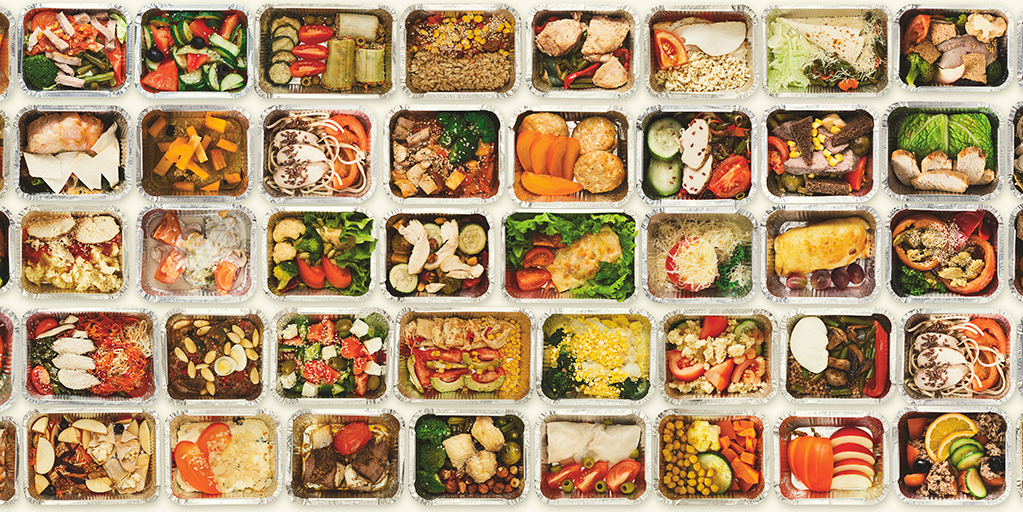
How can the agricultural sector successfully incorporate sustainable, green practices? As the clock ticks on widely known climate change ‘deadlines’, the day to day realities involved in executing efficient, profitable food production continue. Regardless, the need for a huge shift in reducing industry waste is critical to addressing environmental limitations. Improving packaging throughout the supply chain means reducing single-use plastics, developing viable biodegradable and recyclable alternatives from sustainable sources, and limiting the amount of packaging materials required to safely transport produce and food products from farm to table.
Computer Vision in Agtech - Pt 2
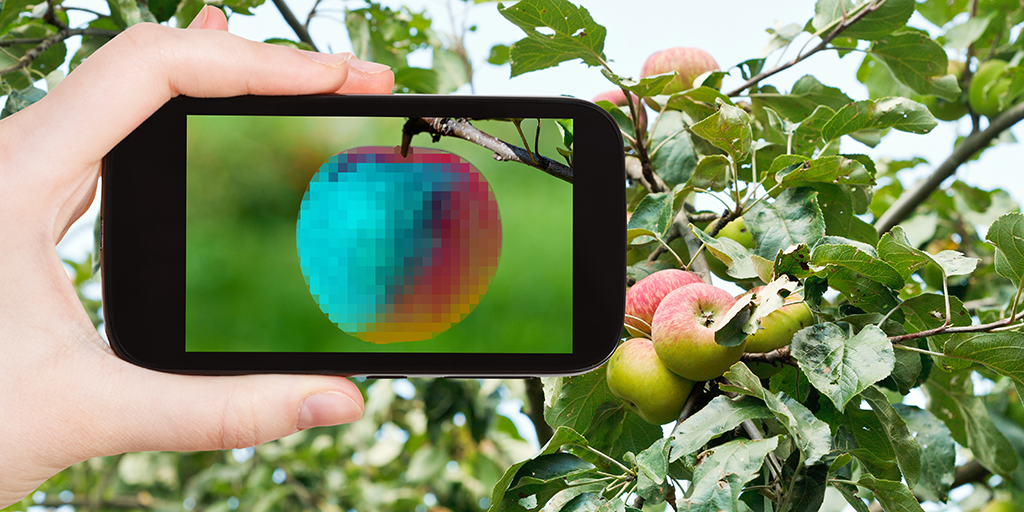
Last week we took a look at computer vision; what it is, how it works, and some of the applications for computer vision in agtech. This week we’ll go over some further applications for machine vision technology in autonomous vehicles, drone and UAV monitoring and mapping, and quality assurance.
Computer Vision in Agtech
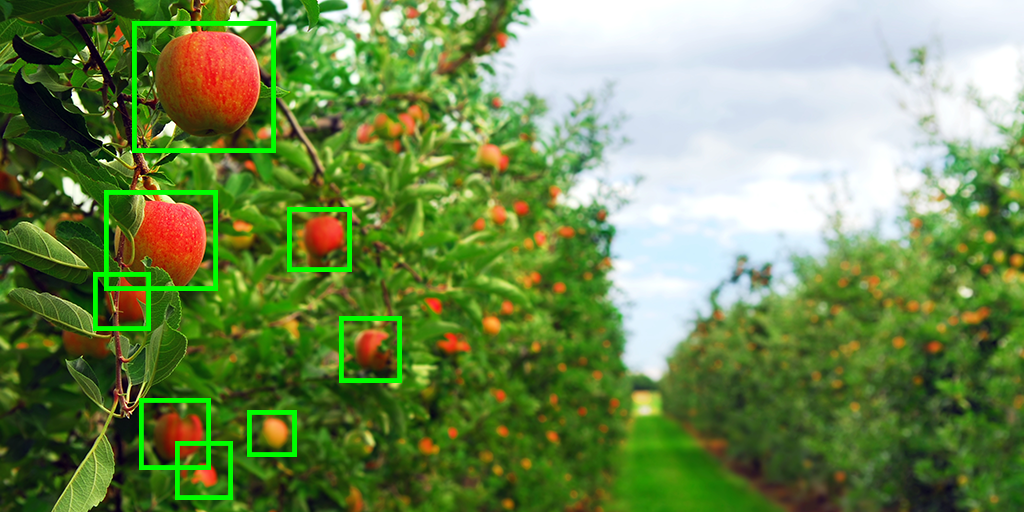
Self driving cars, facial recognition software, mobile cheque deposits, the way facebook knows to tag your friend Andrew in all your pictures of him without asking; a huge variety of technologies, even those we take for granted, employ state of the art technology in computer vision. In agriculture, the applications of computer vision are also growing fast. In part one of our series on computer vision in agtech, we’ll answer some basic questions about the nature of computer vision and discuss its applications in autonomous weeding, harvest and quality control.
USDA Announces New Cannabis Growing Regulations: Update 2020

In 2018, The Agricultural Improvement Act called for the removal of hemp, cannabis sativa with a THC level of 0.3%, from the schedule one classification to allow for easier agricultural production. Hemp is an extremely versatile crop that is used to make food, oils, animal feed and fibres/textiles.
IP in the Orchard: How Exclusive Varieties are Changing the Apple Game

Excitement about an apple product launch usually refers to the latest iPhone, but when the Cosmic Crisp apple variety was about to be released in 2019, there was a lot of buzz! The much publicized cosmic crisp is a great case study in how the apple market is changing, and what this means for apple growers.
10 Global Ag-tech Events You Won’t Want To Miss

In planning for 2020, Croptracker has made a wish list of the top agriculture conferences and trade shows we would like to go to. We thought you might like to see this list too. These 10 events span a wide range of agricultural markets and industries from around the world, so chances are you will find an event for you. This list is in chronological order.
Software Update Roundup: December 2019 - January 2020
Croptracker is always growing: let's take a look at some of our new features this month.
Robotic Technologies In Agriculture

For any sector to thrive, disruptive technologies and innovations must fall into place. In agriculture, farmers constantly seek new ways to increase the yield per acre, and at the same time, deal with rising input costs. Investment and innovation in robotics has been a big focus in agriculture recently, with reports from Wintergreen Research projecting an anticipated $16.3B market size by 2020.
Software Update Roundup: November - December 2019
Croptracker is always growing: let's take a look at some of our new features this month.
Vertical Farming: Growing Up?
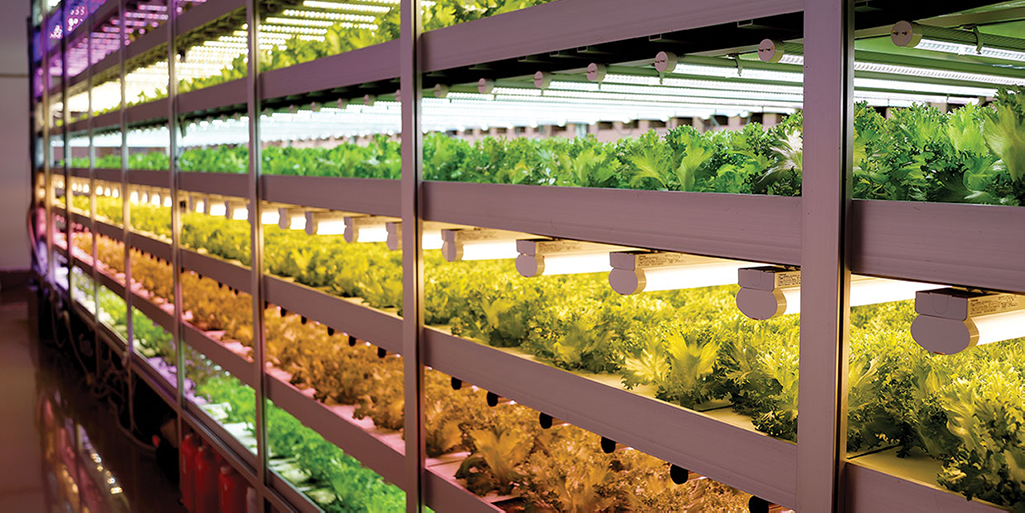
Imagine if you had the ability to control exactly how much sun, and rain your crops got. What if you could set the ideal temperature for everything you grow, and could control the humidity and air flow with perfect precision? Grappling with the effects of the environment while producing food has always been the farmer’s biggest challenge. But Vertical Farming takes all the uncertainty out of growing by creating and maintaining the perfect climate for whatever you’re growing.
Request your free private demo now!
Let our expert staff walk you through the Croptracker system, and answer any questions you have.
We are here to help.