
Farm Business & Operations
Croptracker Customer Showcase: Taggares Fruit Company

This customer showcases blog highlights Taggares Fruit Company’s adoption of Croptracker’s Harvest: Pre-Print and Scan. Taggares is headed into their second season recording their harvest inventory with Croptracker and we spoke with Taggares’ Systems Manager, Logan Janin about the benefits they have already gained from their first year of Croptracker.
Croptracker Customer Showcase: Sandhar Farms Ltd.

This customer showcase blog is focused on Croptracker user, Sandhar Farms. Sandhar started using Croptracker's software in January 2022 and is now in its third growing season with it. They use Spray, GAP Audits, Punch Clock, Production Practice and Harvest modules.
Croptracker Customer Showcase: Hollabaugh Bros., Inc.

In this customer showcase, Croptracker would like to highlight one of our longest customer relationships with Hollabaugh Bros., Inc. Hollabaugh Bros has been using Croptracker’s spray and harvest tracking modules since 2013 and has been an important part of the continued development and improvement of the spray module.
All About AI Vision: Computer Vision in Agtech 2023
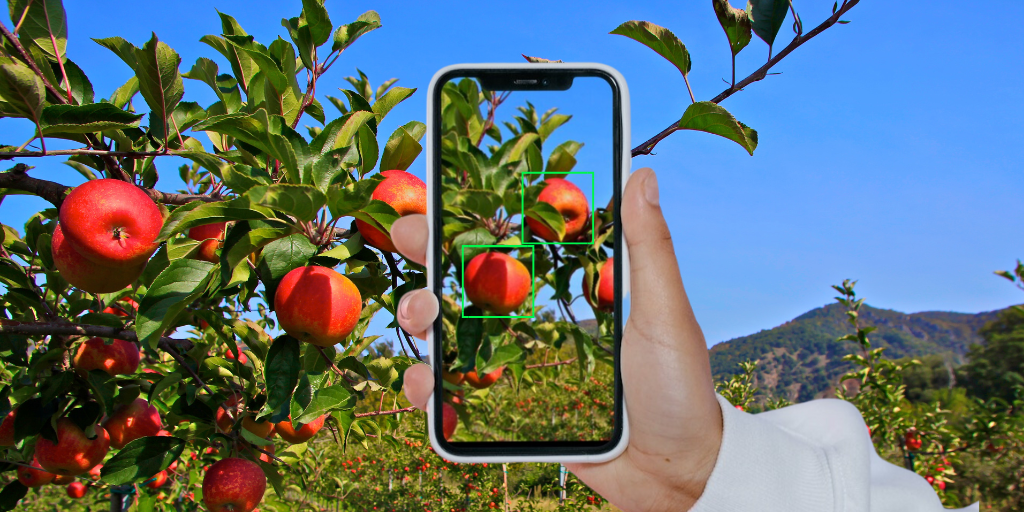
Computer vision may seem simple enough to understand, but below the surface, it is a complex and multidisciplinary field, tied up with a variety of technologies, both old and emerging.
9 ways to improve your farm's wildfire resilience

Every year, wildfires wreak havoc on farms, causing extensive damage to crops, livestock, and infrastructure. With the increasing frequency and intensity of wildfires over the last decade, many farmers are embracing wildfire-resilient agricultural practices to mitigate risk and losses. By taking proactive measures, farmers can minimize the risks associated with fires and protect their livelihoods in the event of an emergency. In this article, we will take a look at some key strategies and practices that farmers can implement to enhance their wildfire resilience and safeguard their farms.
Foodtech Spotlight: AI that can taste

As AI becomes increasingly ubiquitous - it’s in your phone, it’s tagging your photos, it’s selling you t-shirts on Instagram and it’s even delivering your food - questions about the role artificial intelligence should play in our daily lives, and what it is that really sets us apart as humans have been coming up more and more.
The AI Taking No One's Job

There is a lot of anxiety in the media right now about the future of artificial intelligence: Will AI steal our jobs, copy our artwork, plagiarize our writing? Just this week, the dangers of artificial intelligence, the existential threat it could represent, the extinction level risk that could be on par with climate change, nuclear war and the Matrix - the articles are rising to the top of the Google ranks faster than many of us human bloggers can keep up.
From Agtech to Foodtech

Autonomous tractors, robot weeding, even smart sorting machines and pack lines are all examples of advanced agtech innovations that have been widely accepted in the industry. But when it comes to transforming produce into the actual food we eat, there has been a hesitancy to adopt the same autonomous technologies.
5 Ways to Fight Fertilizer Costs in 2023

Fertilizers are a crucial input in modern agriculture, where profit margins may be slim and maximizing yield is critical. But the rising cost of fertilizers over the last few years, particularly potash, has made it difficult for farmers to maintain optimal nutrient levels in their soil while also ensuring high-quality crops with high yields.
Croptracker Customer Showcase: Schuyler Farms

Croptracker’s system has always been designed based on the needs of growers, packers and associations. In this case study, we’d like to introduce an important client and development partner of new Croptracker modules: Schuyler Farms in Simcoe Ontario. Brett Schuyler is a former board member with Ontario Apple Growers (OAG) and current CEO at Schuyler Farms, Brett has been in the apple business since 2008.
A Croptracker success story, Brett started small with just one user and two modules to improve his harvest and labor tracking records. Now Brett has brought his experience and expertise to bear for Croptracker’s new Quality Control module.
Top Ten Most Durable Cell Phone and Tablet Cases for Outdoor Farm Use

We take a look at the best in the business when it comes to keeping your phone and tablet safe in the field. Read on for the top ten rugged cases for your phone and tablet in 2023.
Climate Resistant Crops Expand Global Growing Access
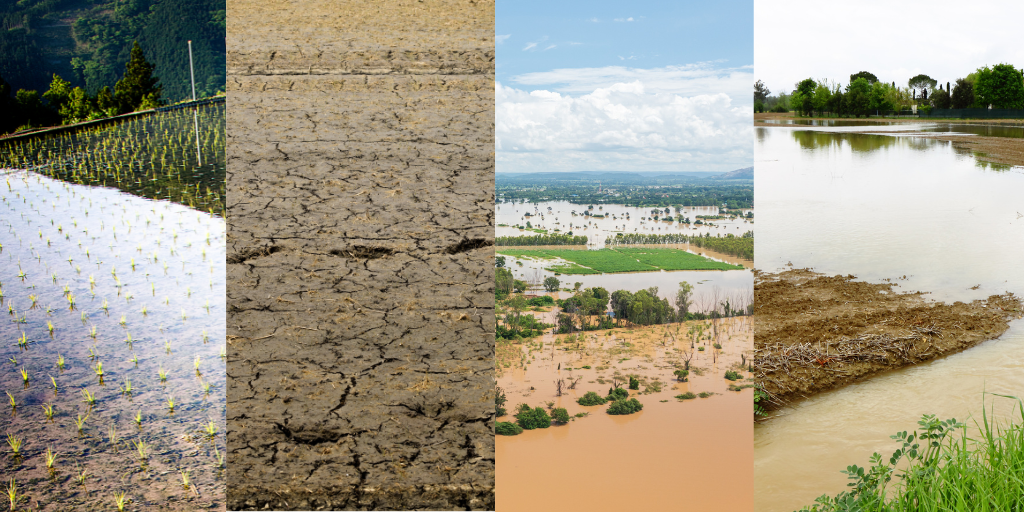
Climate change is ubiquitous in the news these days, and growers worldwide are adopting new technologies, taking new approaches to farming, and seeking resources to help them in a changing environment. The creation of “climate resilient” crop varieties is one way that agricultural scientists hope to address the challenges facing farmers around the globe.
Carbon Capture for Growers

Carbon capture and sequestration (CCS) is a hot topic among growers right now as a promising tool in the fight against climate change. In many ways, agriculture is an industry uniquely positioned to make a real difference with minimal changes to existing processes. In Canada, the Federal government has committed to achieving net-zero carbon emissions by 2050. Globally, the agricultural sector is responsible for 9% of greenhouse gas emissions, but farms and especially orchards have the potential to be used more efficiently to capture and hold carbon.
The Digital Age of Agriculture: Agriculture and the Cloud

The potential of digital applications in agriculture generates enthusiasm about the future of food production among technologists and is a cause for uncertainty among others. But for many farm managers, the time has come to adapt, and the race to adopt (or develop) the best technology will determine the future of humankind.
Benefits of Remote Sensing Tech on the Farm
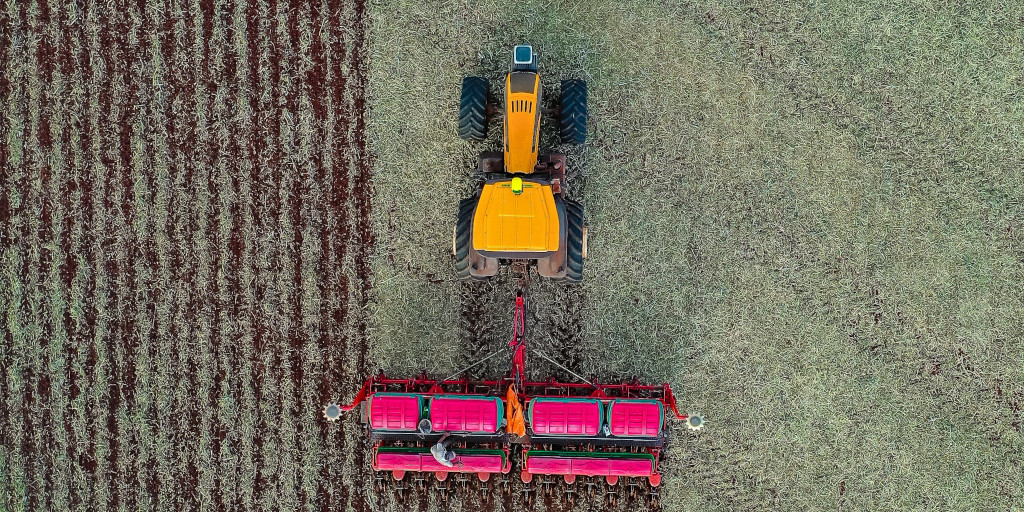
Many Agtech startups use remote sensing technology for a variety of farming applications. The use of drones and airplanes is becoming more common to provide field-level analysis. As is using globally available satellite data for large-scale analysis. Satellite data can also be combined with field information to create a complete picture of what's happening on the ground.
What is Machine Learning & How Will it Benefit Agriculture?

There is a constant stream of emerging innovations in Agtech, and one of the biggest topics is Machine Learning and Artificial Intelligence (AI). This is currently a hot topic out in the field and behind a computer.
Croptracker's Farm Management Software
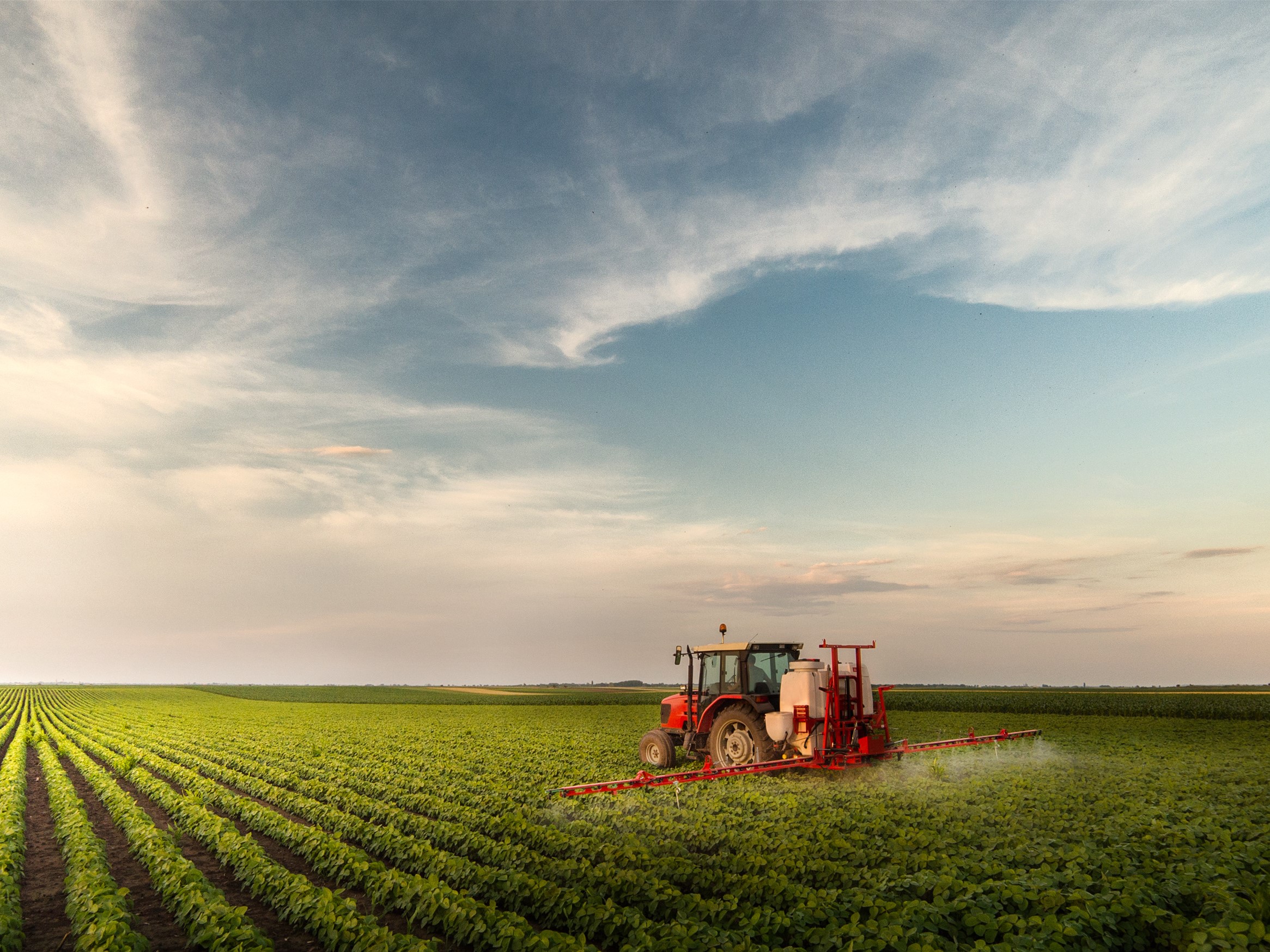
Croptracker's farm management software ecosystem can optimize many of your complex agricultural processes

Minimize fresh market supply chain hiccups with comprehensive tracking
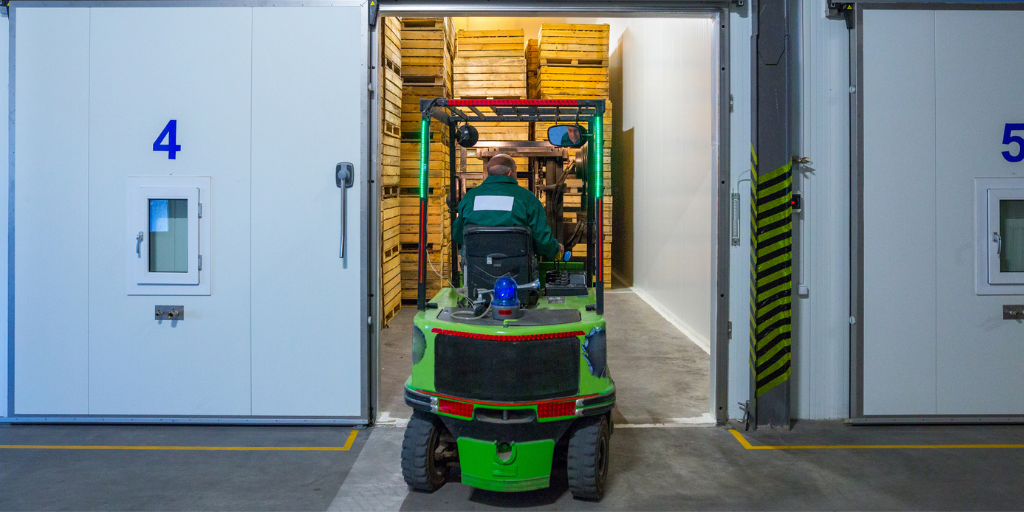
Supply chains are intricate, highly technical systems that, inevitably, are full of predictable stressors – and those lovely surprise (!) issues, too. When it comes to fruit production, growers, pickers, shippers, and work crew managers must sprint against the time trials of the season, before, during, and after harvest. The season waits for no one, so how can fresh fruit supply chain hiccups be soothed, to boost profitability and limit waste?
Request your free private demo now!
Let our expert staff walk you through the Croptracker system, and answer any questions you have.
We are here to help.