Latest Blog Posts
Farm Management Apps


Popular Links
Security & Privacy
Company
Croptracker © 2026
Privacy Policy

Specialty crop growers are in the midst of a long transition period, moving from a historic reliance on synthetic agrochemicals, towards more dynamic approaches like Integrated Pest Management (IPM). Orchardists and apple growers in particular have been at the forefront of this shift, being some of the first to adopt biological treatments like pheromone sprays.
In the apple industry, the move towards biologicals is not just a response to environmental advocacy, but is a calculated adaptation due to an evolving regulatory landscape; a growing consumer demand for “residue free”produce; and increasing agrochemical and fertilizer costs. When used well, IPM strategies, including biological treatments, can help growers reduce traditional treatment costs and increase yield and quality.
This article will detail the types of biologicals most commonly used in apple orchards, the regulations covering their use in Canada, and how Croptracker can help growers make the most of their biological applications.
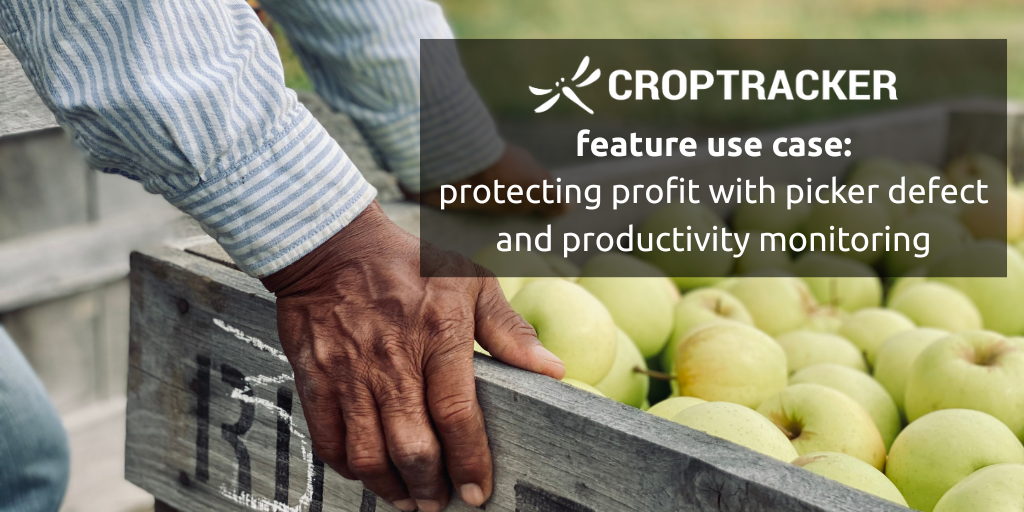
For most fresh produce growers right now, the pressure to protect already slim profit margins is high. In apples in particular, overproduction and staggering labour costs mean that no path to revenue protection can be ignored. One of the avenues our growers are increasingly headed down to help secure their profit is closer picker quality management.
With the risks of improperly handled harvest so high, the time spent training, monitoring and correcting picker performance is worth it. In this use case article, we will detail the why and how of defect monitoring at harvest for better post harvest management, higher pack-out rates and ultimately more return to the grower.
Schriemer Family Farm, located in Otterburne, Manitoba, is a multi-generational, vertically integrated operation. They grow a diverse offering of fresh vegetables, including field-grown onions, pumpkins, squash, and sweet corn, alongside greenhouse-grown tomatoes, cucumbers, and sweet and hot peppers. Supplying major retailers and local co-op shops, their own pack house, storage, and logistics infrastructure also allows them to pack and ship for smaller local growers.
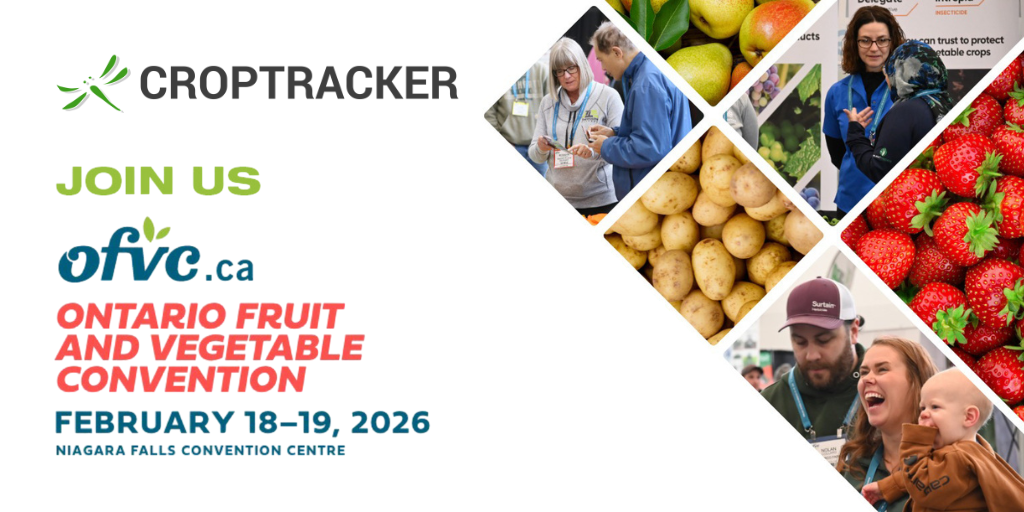
The 2026 growing season is just around the corner, and we are thrilled to kick it off at Canada’s premier horticultural event. Croptracker is officially heading to the >Ontario Fruit and Vegetable Convention (OFVC) in Niagara Falls!
As an Ontario-born company, OFVC is one of our favorite stops on the event calendar. It is a unique opportunity to connect directly with the growers, researchers, and industry leaders who drive the horticultural sector forward. Whether you are a long-time Croptracker user or looking for new ways to streamline your farm’s data, we’d love to see you there.
Let our expert staff walk you through the Croptracker system, and answer any questions you have.
We are here to help.

Croptracker, developed by Dragonfly IT, is a record-keeping and operations management service which provides customers with advanced solutions to drive an increase in food safety traceability while decreasing overall operational costs. Our mission is to make crop production safer, more efficient, and more profitable for growers.