
Croptracker vs Spreadsheets: Which Labor Tracking System Actually Saves You Money?
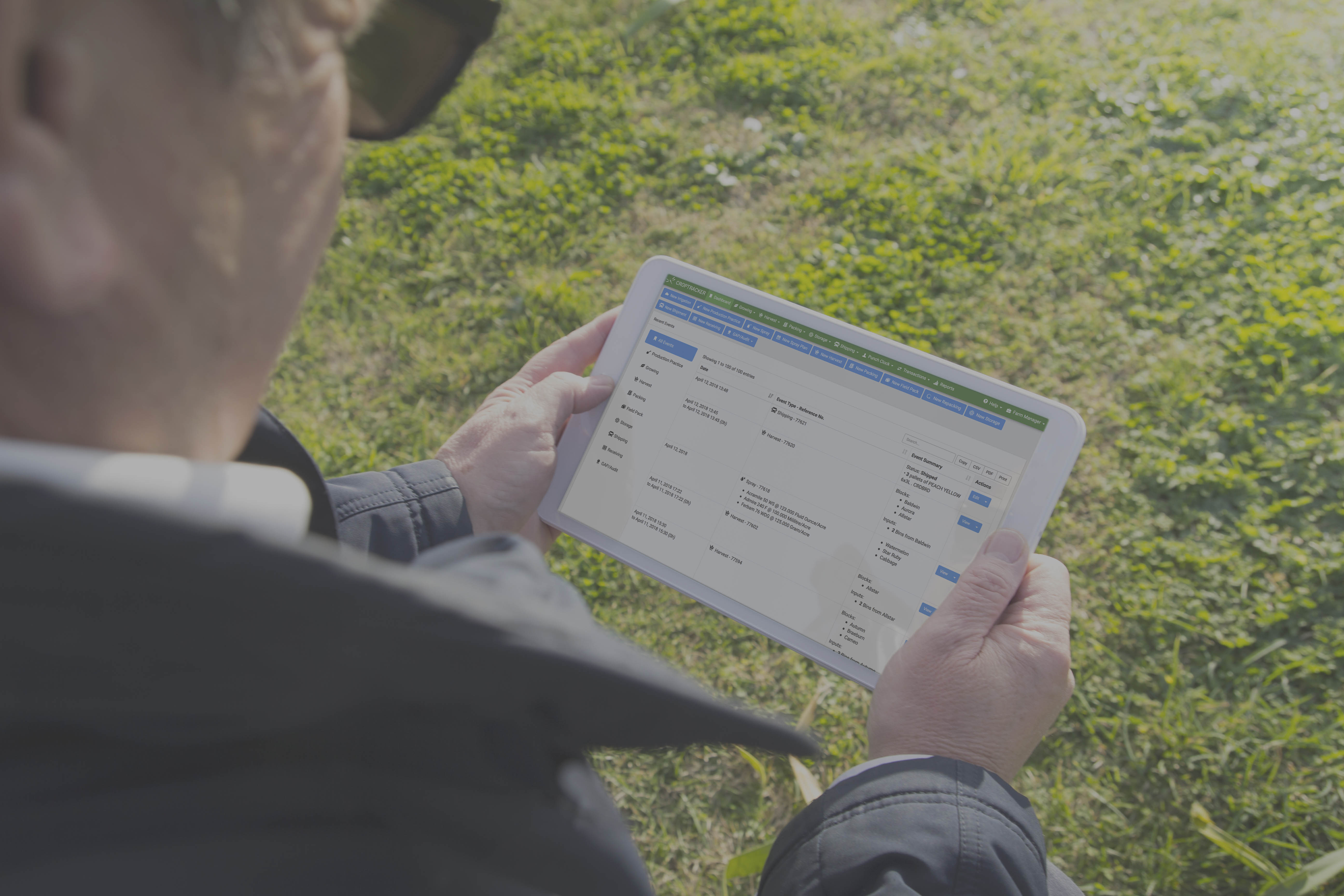
It's July. Your crews are scaling up. Your spreadsheet has 47 tabs — one for each crew, one for piece rates, one for overtime, one for leave tracking, and one for every variety with a different pay structure.
You've been tracking labor on spreadsheets for years. They got you through. But as your crew grows, so do the mistakes. So does the compliance risk. So do the hours you spend reconciling numbers instead of managing your farm.
Spray Record Keeping Software: What Specialty Crop Growers Need to Know
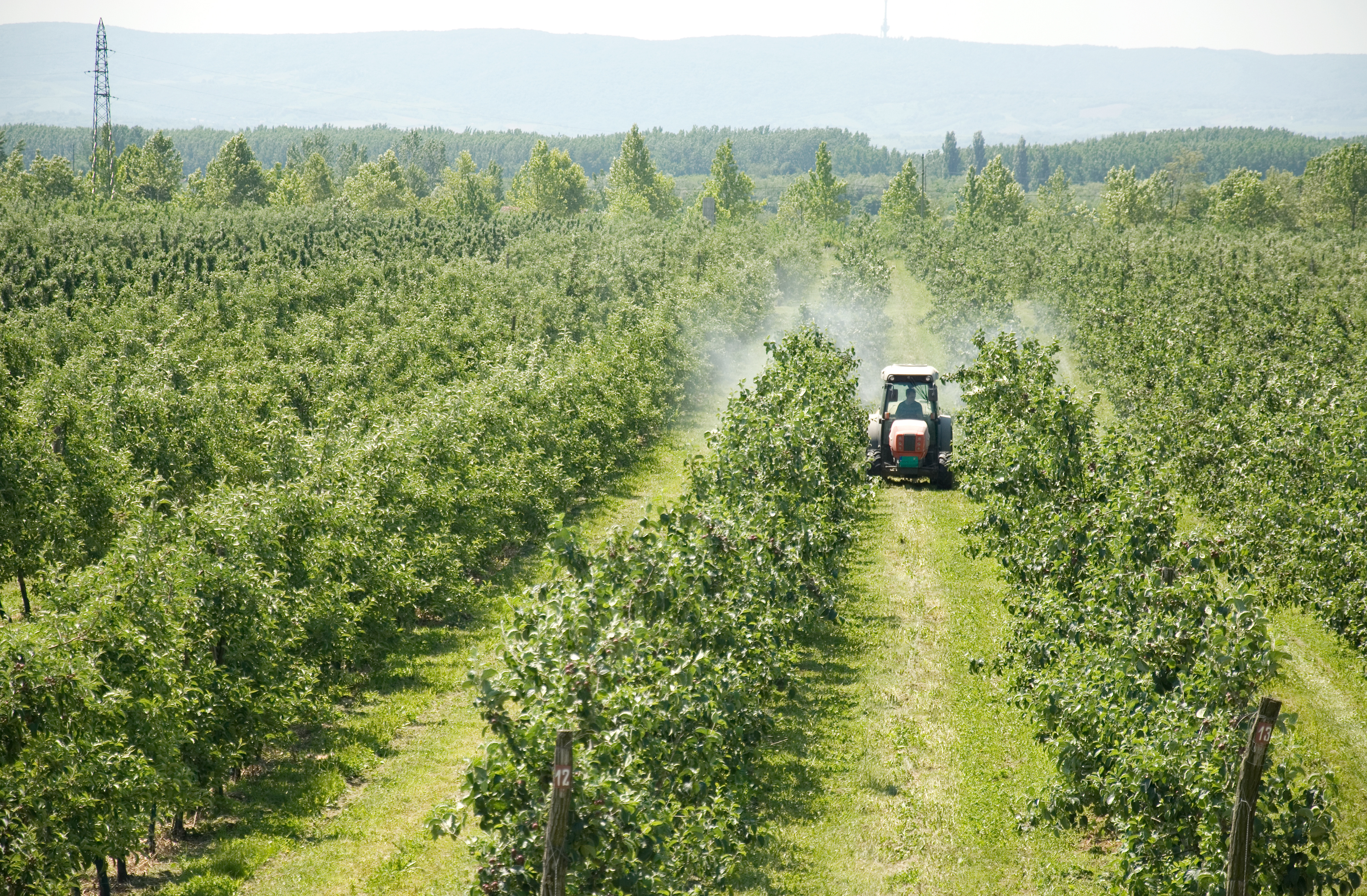
Every year, specialty crop growers face the same question: "Can we justify the cost of spray software?" The real cost calculation is simpler if you flip the equation.
What does a failed PHI check cost?
What does an auditor finding issues in your spray records cost?
What does a week of scrambling for paper logs during audit season cost?
Harvest Recording Methods: Which One Is Right for Your Operation?
Harvest is likely the single largest expense on your specialty crop operation. Labor accounts for 40 to 60 percent of total production costs, depending on your crop and region. When that much money and effort rides on every bin, how you record the harvest determines your inventory accuracy, traceability, labor costs, and compliance readiness through the rest of the year.
Piece Rate Tracking for Harvest: Productivity, Compliance & Profitability
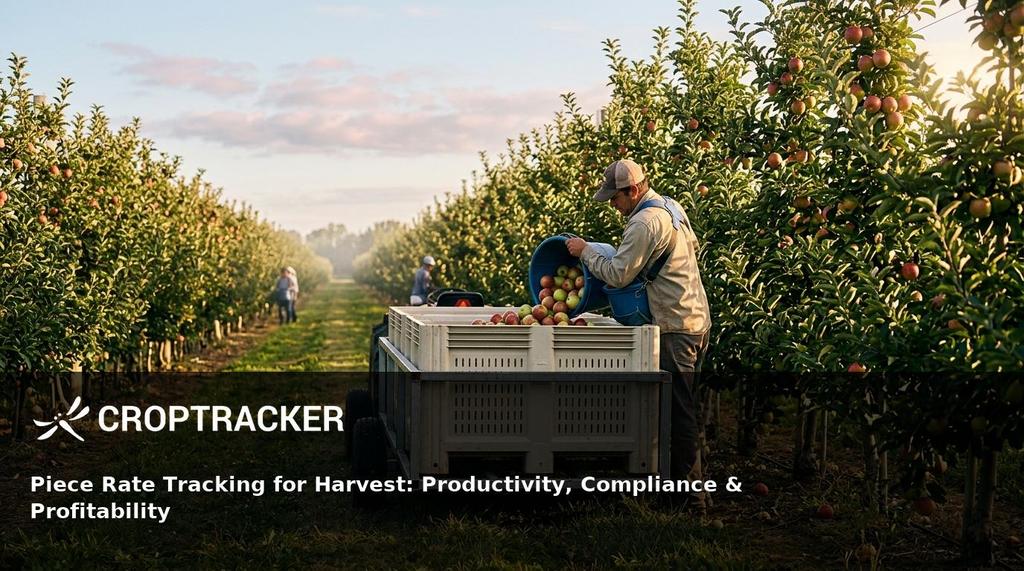
Harvest is likely the single largest expense on your farm. Labor accounts for roughly 40 to 42 percent of production expenses for specialty crops, according to the 2022 Census of Agriculture and USDA ERS data, depending on your crop and region. When that kind of money is riding on every bucket, every bin, and every bushel, you need a clear line of sight into what each picker is doing and what it costs.
Request your free private demo now!
Let our expert staff walk you through the Croptracker system, and answer any questions you have.
We are here to help.