
FSMA 204 Compliance for Growers: Your Traceability Roadmap to the 2028 Deadline
The FSMA 204 Food Traceability Final Rule is FDA's recordkeeping rule for foods on its Food Traceability List — including most fresh-cut produce, melons, leafy greens, tomatoes, cucumbers, sprouts, and fresh herbs. It requires covered companies to capture records at specific supply-chain events, assign traceability lot codes, and produce complete traceability data to FDA within 24 hours of a request.
If you grow, pack, ship, or receive any of those commodities, the rule applies to your operation. And even though the enforcement date moved to 2028, the clock on your preparation window is already running.
Here's where things stand as of October 2026, what the rule actually requires at each stage of your workflow, and how to close the gap before it matters — because your retail buyers aren't waiting for FDA to ask.
Farm Record Keeping Software: What It Does and How to Choose
Harvest is wrapped. The bins are counted, the last spray record is (hopefully) written down somewhere, and audit season is open. Between now and the end of the year, GAP auditors, buyers, and your accountant will all ask the same question: can you show me the records?
If the answer means digging through notebooks, whiteboard photos, and a spreadsheet someone's nephew built in 2019, you're not alone — but you're also paying for it in audit prep hours, wage-law exposure, and traceability risk. This article covers what farm record keeping software actually does, which records a specialty crop operation needs to keep, and how to choose a system that fits the way you farm.
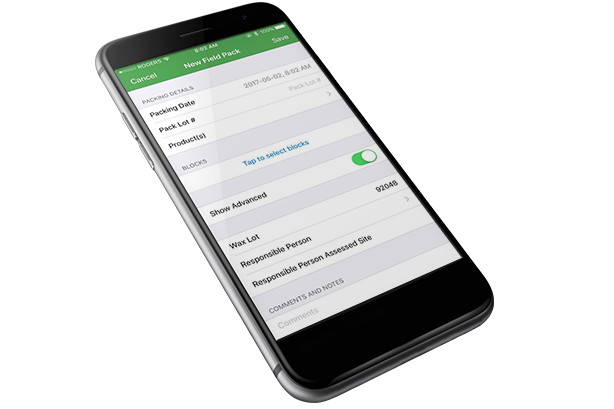
Croptracker vs Spreadsheets: Which Labor Tracking System Actually Saves You Money?
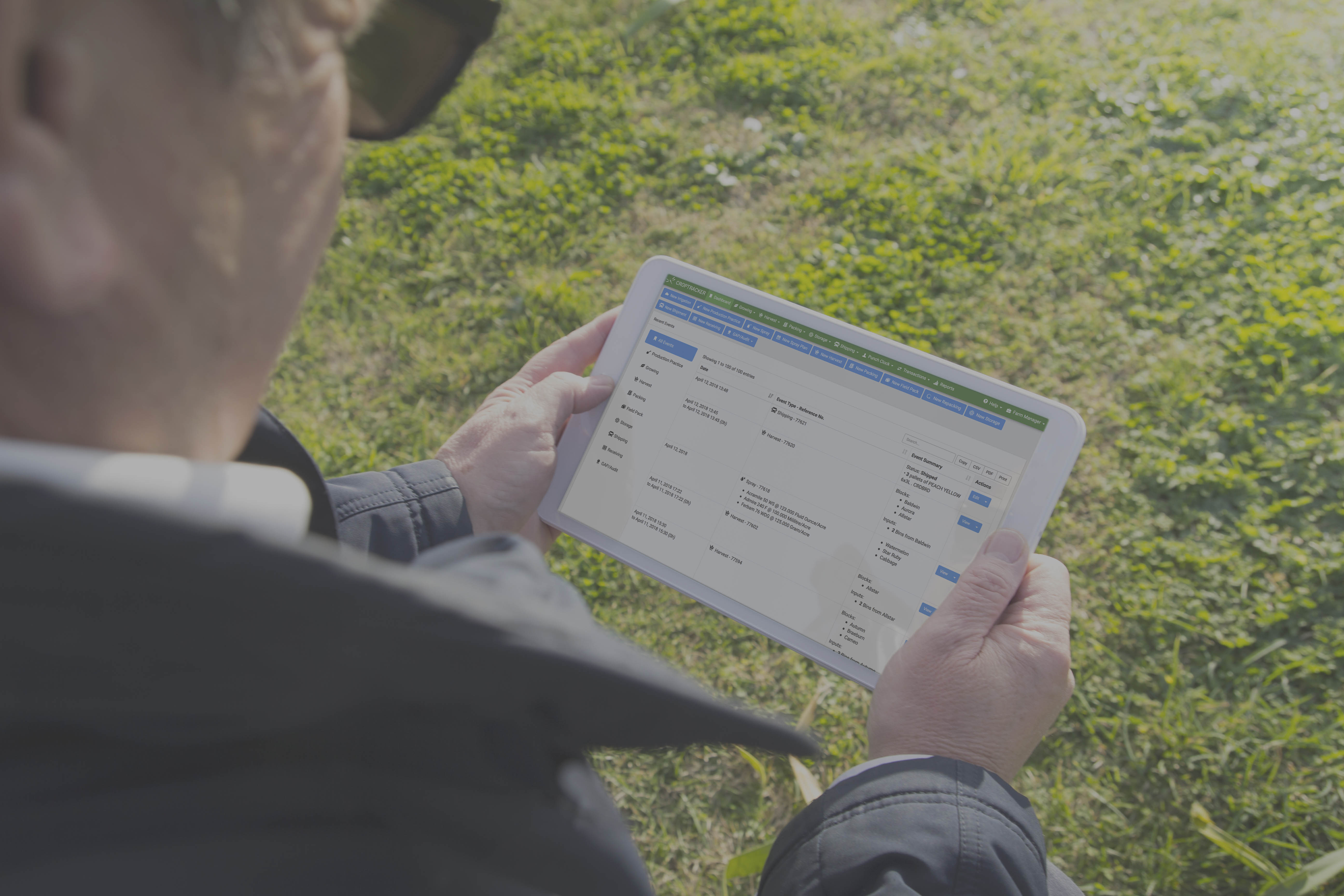
It's July. Your crews are scaling up. Your spreadsheet has 47 tabs — one for each crew, one for piece rates, one for overtime, one for leave tracking, and one for every variety with a different pay structure.
You've been tracking labor on spreadsheets for years. They got you through. But as your crew grows, so do the mistakes. So does the compliance risk. So do the hours you spend reconciling numbers instead of managing your farm.
Spray Record Keeping Software: What Specialty Crop Growers Need to Know
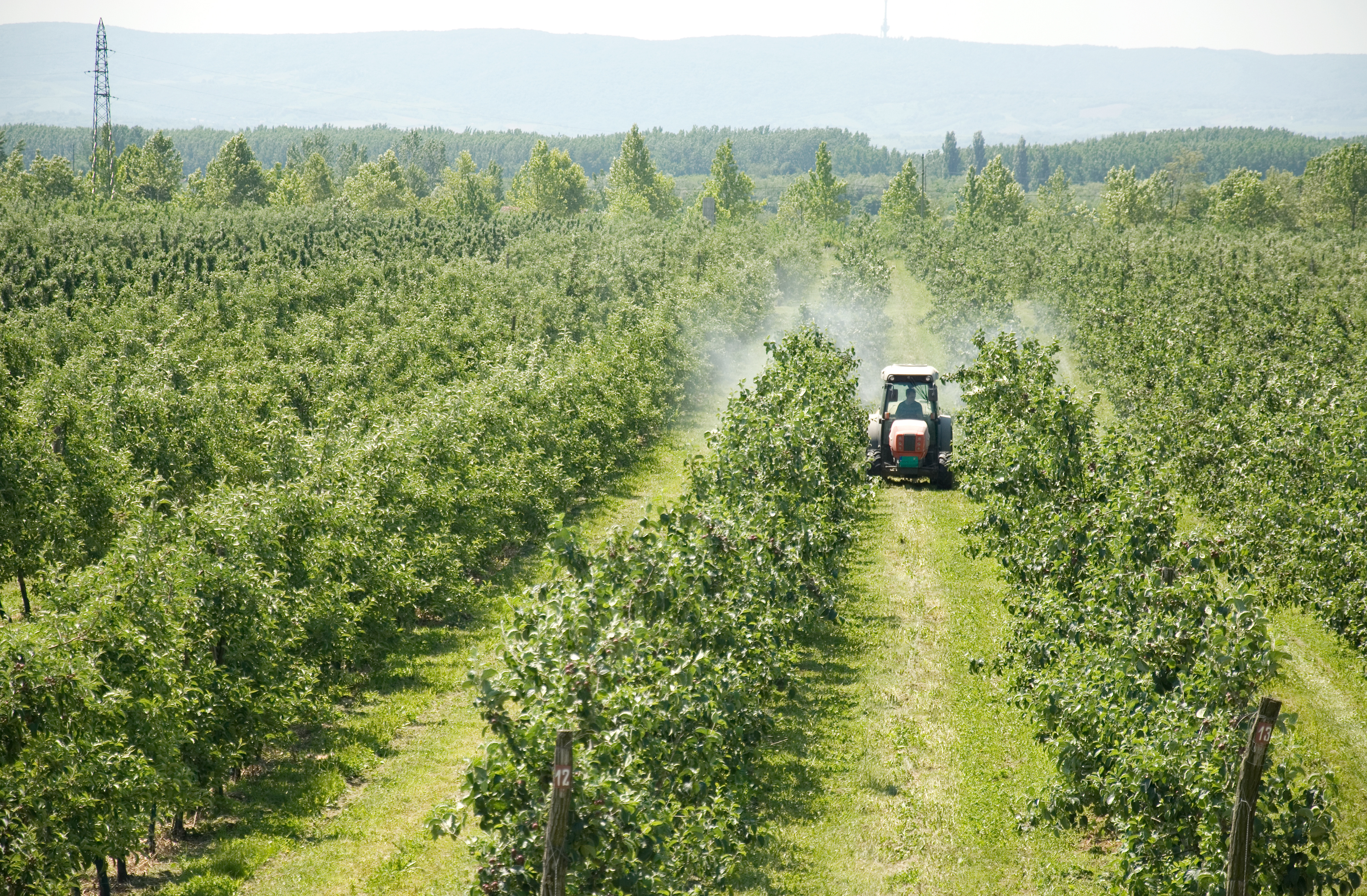
Every year, specialty crop growers face the same question: "Can we justify the cost of spray software?" The real cost calculation is simpler if you flip the equation.
What does a failed PHI check cost?
What does an auditor finding issues in your spray records cost?
What does a week of scrambling for paper logs during audit season cost?
Request your free private demo now!
Let our expert staff walk you through the Croptracker system, and answer any questions you have.
We are here to help.